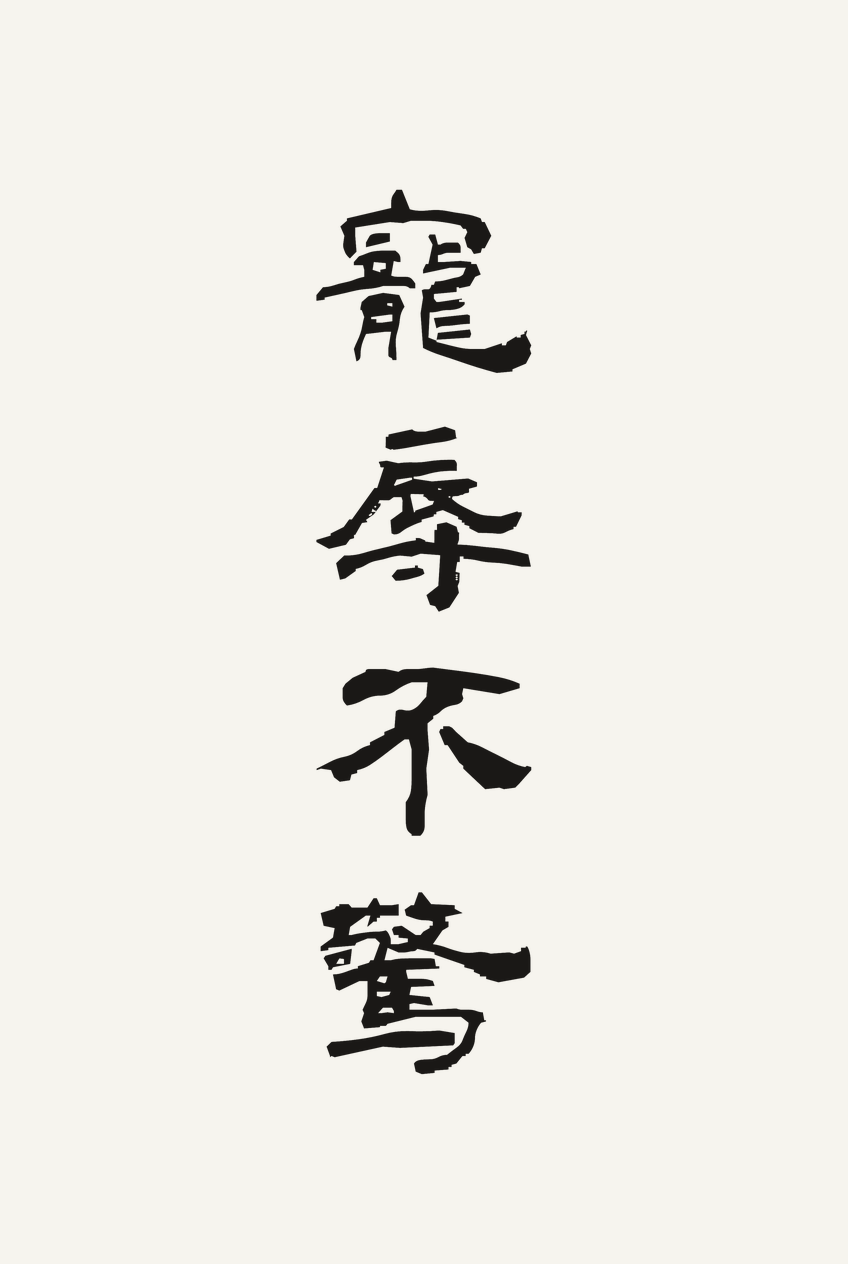
宠辱不惊 · Chǒng Rǔ Bù Jīng
Unmoved by Praise or Blame
系列: 吉语成语 · Design #07
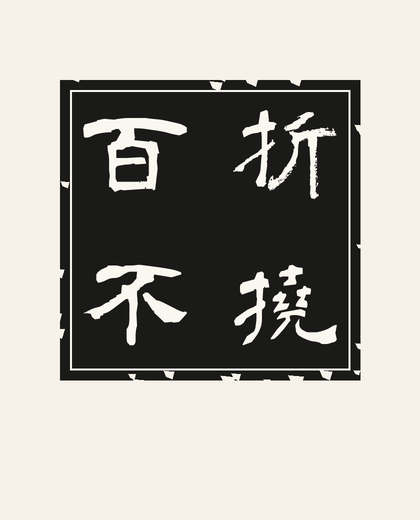
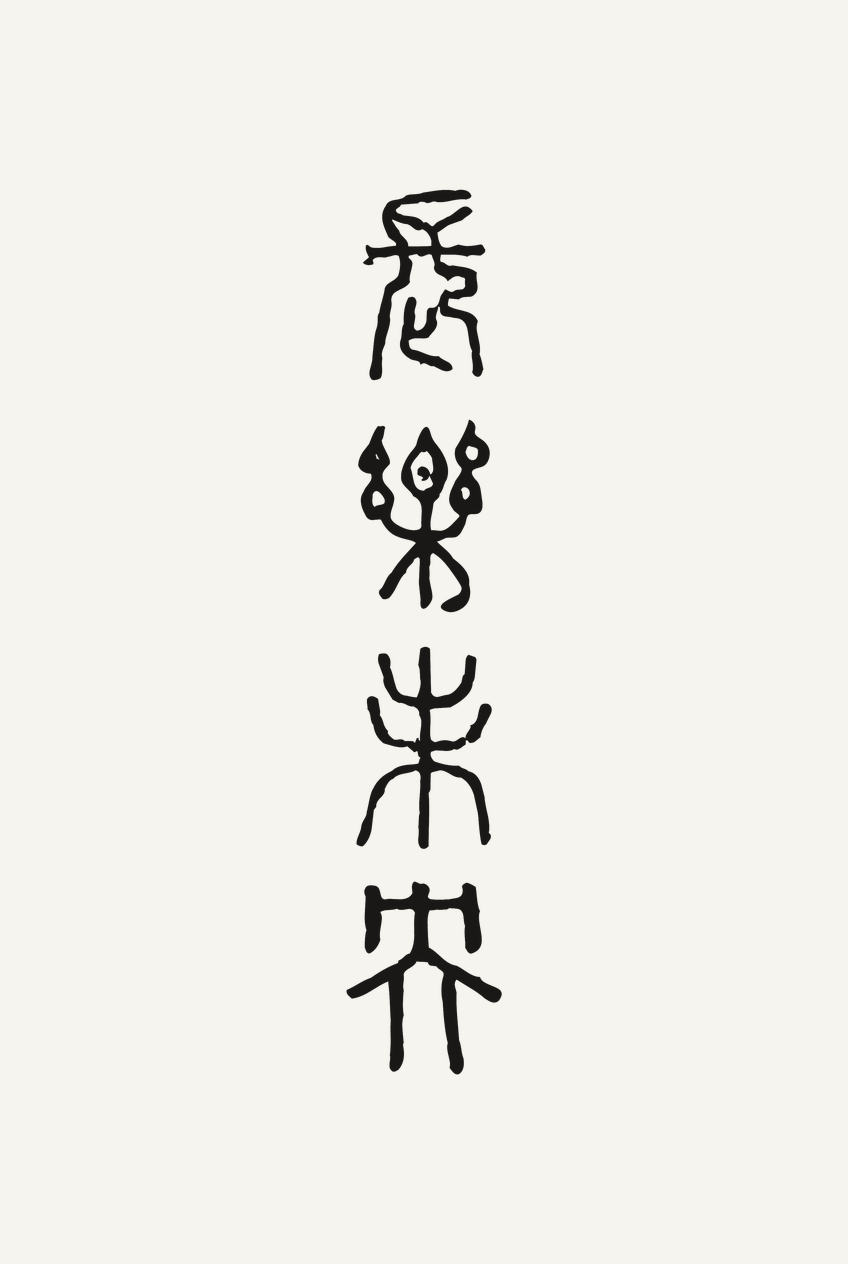
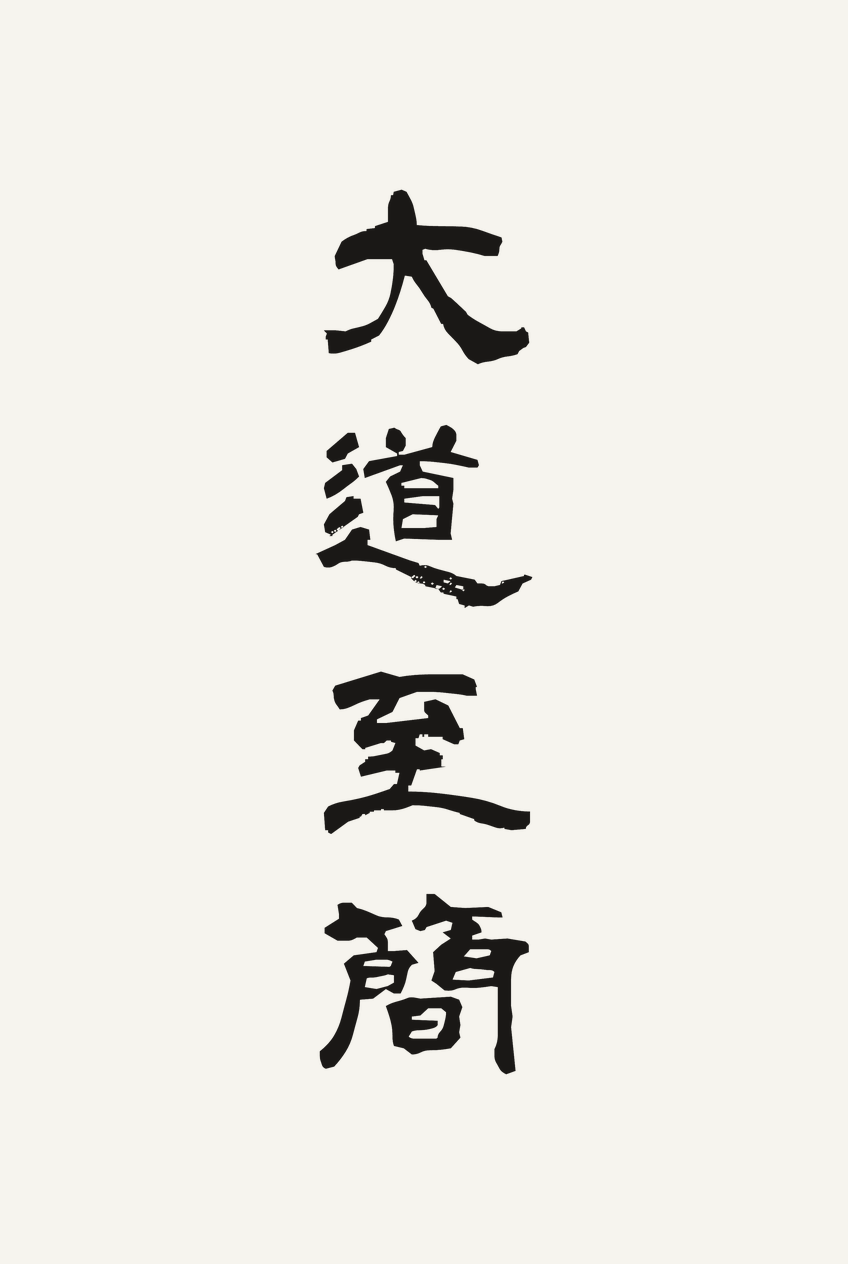
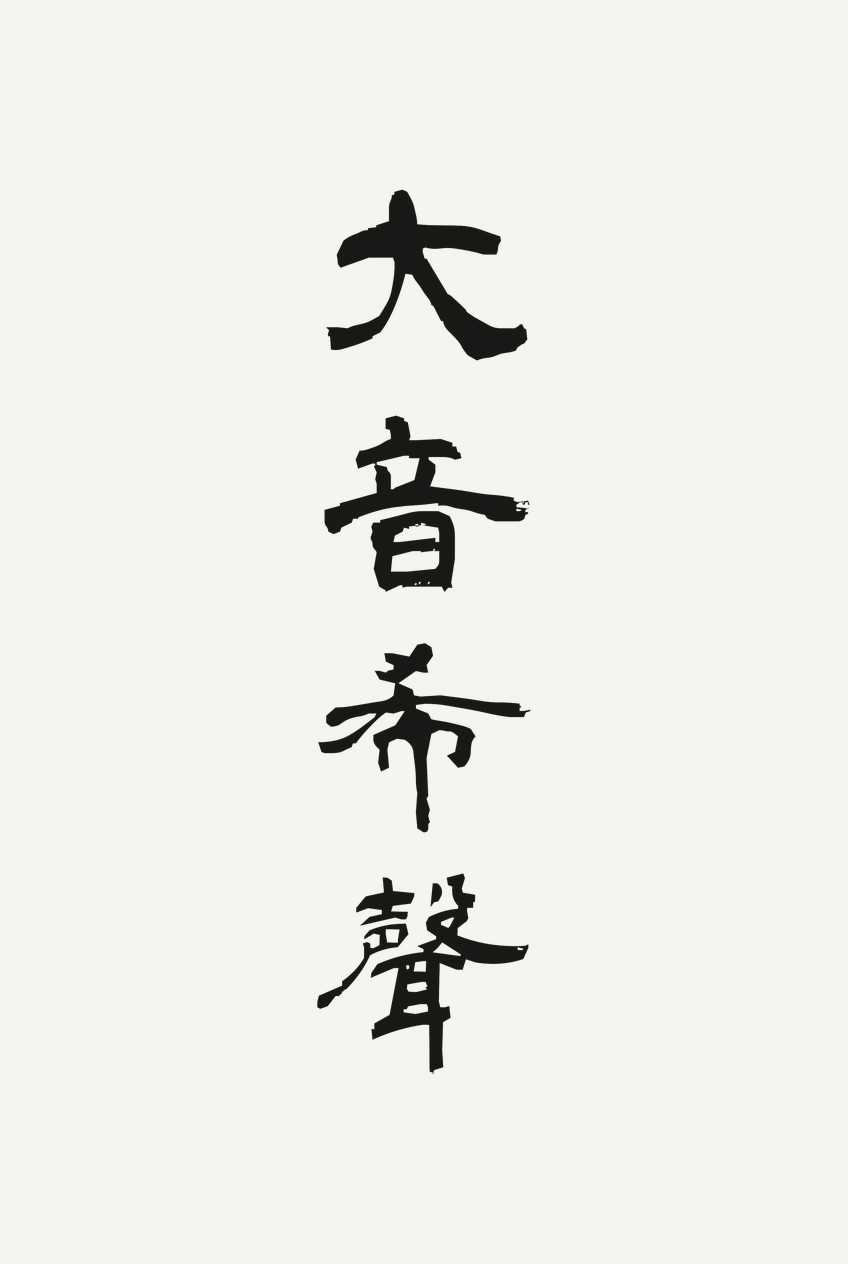
笔法: four characters, vertical column · clerical script (lishu) · same form 寵辱不驚 · medium-to-large
形态: 四字竖列大字,隶书
名字
宠辱不惊——成对的名词做了全部工作:宠(得势者对你微笑)与辱(得势者对你皱眉),在这句话的账上,是同一件事——让别人握着你的天气。拒绝是「不驚」:两个方向都不惊。纹下这四个字,是给所有把安宁外包给观众的人的甲胄。
*Chǒng rǔ bù jīng* — favor and disgrace, neither startles. The paired nouns do the work: 宠 (the powerful smiling at you) and 辱 (the powerful frowning at you) are, in this phrase's ledger, the same event — someone else holding your weather. The refusal is 不驚: no startle, in either direction. As a tattoo, it is armor for anyone whose peace is currently outsourced to an audience.
出处
这句话见于《新唐书》正史:考官卢承庆复核一名官员的档案,先降其考级,又为他的平静所动而恢复,批语「寵辱不驚,考中上」。对联版「寵辱不驚,閒看庭前花開花落」出自明人清言集《幽窗小记》。两个来源的考法一致:看一个人的命运摆动的那个瞬间。墨线转写:本设计以传统母题的经典线条造型为底,转写为纹身墨线。
The phrase is on record in the *New History of the Tang* (《新唐書》): the examiner Lu Chengqing, re-reviewing an official's file, first demoted the grade, then — moved by the man's calm — restored it, with the comment 寵辱不驚,考中上: "unmoved by favor or disgrace — graded upper-middle." The couplet version — 寵辱不驚,閒看庭前花開花落 — hangs from the Ming anthology *Notes from a Quiet Window*. Both sources agree on the test: watch a man at the moment his fortune swings. Inking note: this design adapts the classic line construction of the traditional motif and re-inks it as tattoo linework.
设计灵感
本设计的每一处形制决定都有出处可查,逐条对账。① 四字竖列——对联的语法:一句判词加一条证据,挂在主人每天看得见的地方。② 隶书、横平承重——碑刻的语域:笔画与佩戴者都不畏缩。③ 中到大尺寸——列高 14 厘米起。④ 只用墨——掌声与嘘声落在纸上,是同一种安静。
Every form decision points to a recorded source, element by element. ① Four characters, one vertical column — the couplet's grammar: a verdict and its proof, hung where the owner sees it daily. ② Clerical script, level and weighted — the stele register: neither the strokes nor the wearer flinch. ③ Medium-to-large scale — 14 cm column height minimum. ④ Black ink only — applause and boos arrive as the same silence on paper.
来历
卢承庆的考级现场值得慢慢讲。一位督运官把船弄沉了;卢承庆给他「中下」。此人一句话没有。复核档案时,卢承庆发现确有可原之处,把考级提了一档——此人依然没有庆祝。卢承庆写下那句让他名垂官史的考语:寵辱不驚——当场定为「中上」。考级被恢复,不是因为船没有沉,而是因为此人的平静是更稀缺的能力。
明代的对联把功课补完:閒看庭前花開花落。花是舆论最好的量尺——美、恒常、且对你毫无意图。能像看花开一样看自己命运起伏的人,在两个方向上都不再欠观众的天气。历史的判词:那位平静官员的档案,活得比所有逢迎者的都长。
Lu Chengqing's grading scene deserves its slow retelling. A supervising official had sunk a boat; Lu graded him "lower-middle." The man accepted without a word. Reviewing the file, Lu found real mitigations and raised the grade — the man still did not celebrate. Lu wrote the verdict that made him immortal in the bureaucracy's memory: 寵辱不驚 — unmoved by favor or disgrace — and graded him upper-middle on the spot. The grade was restored not because the boat was unsunk but because the man's calm was the rarer competence.
The Ming couplet completes the practice: watch the flowers open and fall in the courtyard. Flowers are the perfect scale for public opinion — beautiful, constant, and entirely without intention toward you. The person who can watch their own fortune the way they watch blossoming is finished with the audience's weather, in both directions. History's verdict: the calm official's file outlived every flatterer's.
释义
给被评审、被打分的人:创作者、创业者、应试者、所有一周的成败由别人的判词决定的人。它不承诺判词停止;它撤销的是判词在你神经系统里的居住权。两个方向——这才是人们总是忘掉的纪律。
For the reviewed and the rated: creators, founders, candidates, anyone whose week is decided by other people's verdicts. It does not promise the verdicts stop; it cancels their tenancy in your nervous system. Both directions — that is the discipline people forget.
位置
竖列走长的平面:小臂内侧、胸口、脊柱。14 厘米列高是舒服下限;胸骨正中上方,像一句每天读一遍的判词。
The column rides long planes: inner forearm, chest, spine. 14 cm column height is the comfortable floor; over the sternum, centered, it sits like a verdict read daily.
纹之前
自上而下,不可倒置。 宠、辱、不、惊——纵向链条就是句子自己的逻辑。② 隶书保持平。 ③ 只用墨。 ④ 列高 14 厘米起。 ⑤ 「不驚」两个字都要当真。 多数人只能守住一个方向——要么对表扬无感,要么对羞辱麻木。两个方向都不摆了,这个纹身才算诚实。
Top to bottom, no reshuffle. Favor, disgrace, refusal, calm — the vertical chain is the sentence's own logic. ② Clerical script stays level. ③ Black ink only. ④ Column height 14 cm minimum. ⑤ Mean both characters of 不驚. Most people can hold one direction — indifferent to praise, or numb to blame. The design is only honest if both swing stops moving.
本卡每一个汉字都由中文母语者选定并逐笔核对。