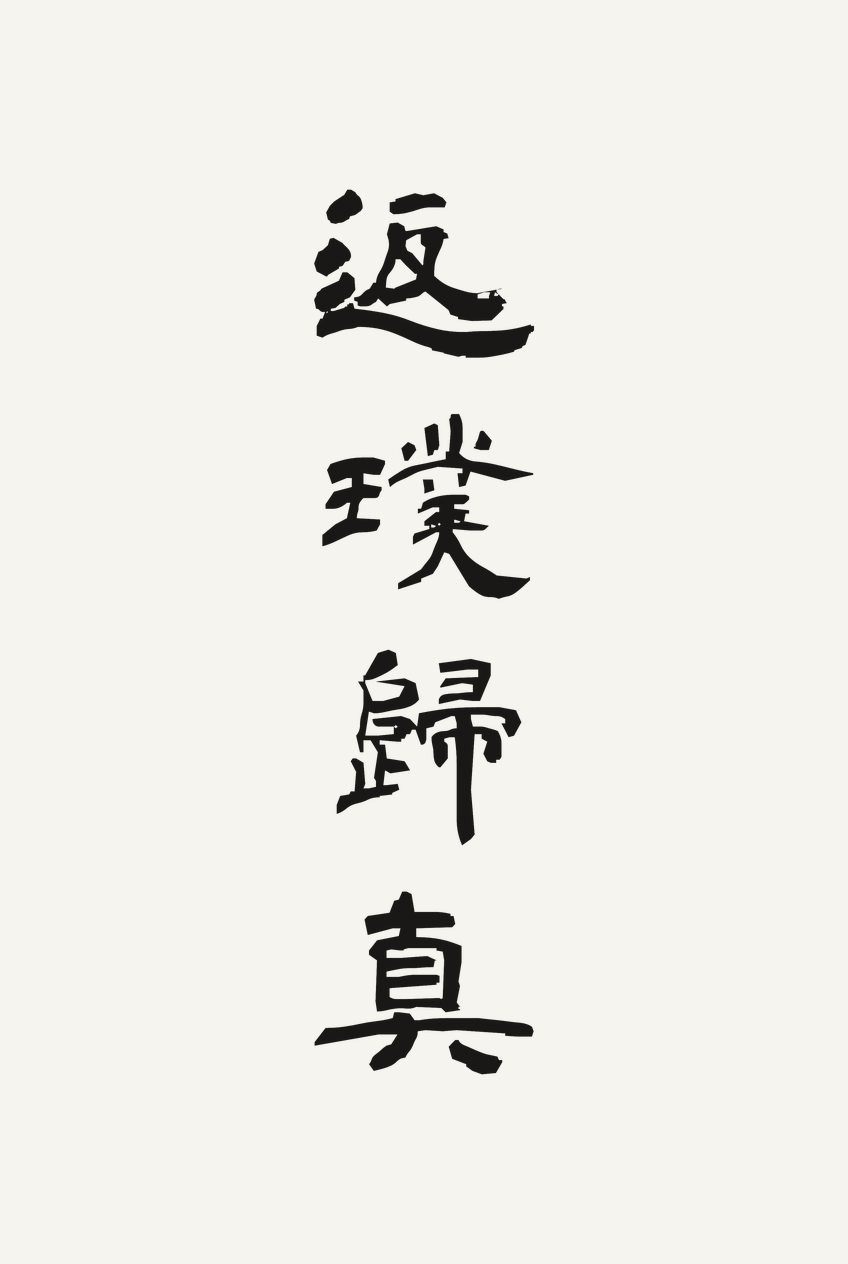
返璞归真 · Fǎn Pú Guī Zhēn
Return to the Uncarved, Come Back to the True
系列: 吉语成语 · Design #19
笔法: four characters, vertical column · clerical script (lishu) · traditional form 返璞歸真 · medium-to-large
形态: 四字竖列大字,隶书
名字
返璞归真——回到未雕的璞,归向真的。璞是还在石头里的玉:贵重、其貌不扬、未被动手。「归真反璞」是老子最爱的悖论穿上行程的外衣——精工的尽头,是一次对「本不需要任何东西」的自觉回归。纹下它的人,都被打磨过,并且对此有立场。
*Fǎn pú guī zhēn* — go back to the uncarved block, return to what is true. 璞 is jade still inside its stone: valuable, and valueless-looking, and untouched. The phrase is Laozi's favorite paradox dressed as an itinerary — that the far end of refinement is a deliberate return to what needed nothing. As a tattoo, it is worn by people who have been polished and have opinions about it.
出处
《战国策·齐策四》记策士颜斶对齐王说:归隐的人活得完整——歸真反璞,則終身不辱。其下的义理在《道德经》第二十八章:樸散則為器——朴一散开就成了器物——而圣人的建议是守住那块没被劈开的木。现代的四字语序是战国那句的重排;出处按实际所考引用,不升格为「老子原文」。墨线转写:本设计以传统母题的经典线条造型为底,转写为纹身墨线。
《战国策·齐策四》records the statesman Yan Chu telling the King of Qi that a returned recluse lives whole: 歸真反璞,則終身不辱 — "come back to the true, return to the uncarved, and no one can shame you for life." The doctrine underneath is Daodejing 28: 樸散則為器 — "when the uncarved wood is split, it becomes utensils" — and the sage's advice to hold to the block. The modern four-character order is a rearrangement of the Warring States line; the source is cited as found. Inking note: this design adapts the classic line construction of the traditional motif and re-inks it as tattoo linework.
设计灵感
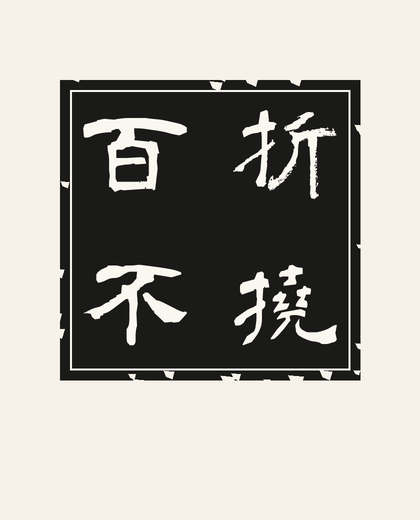
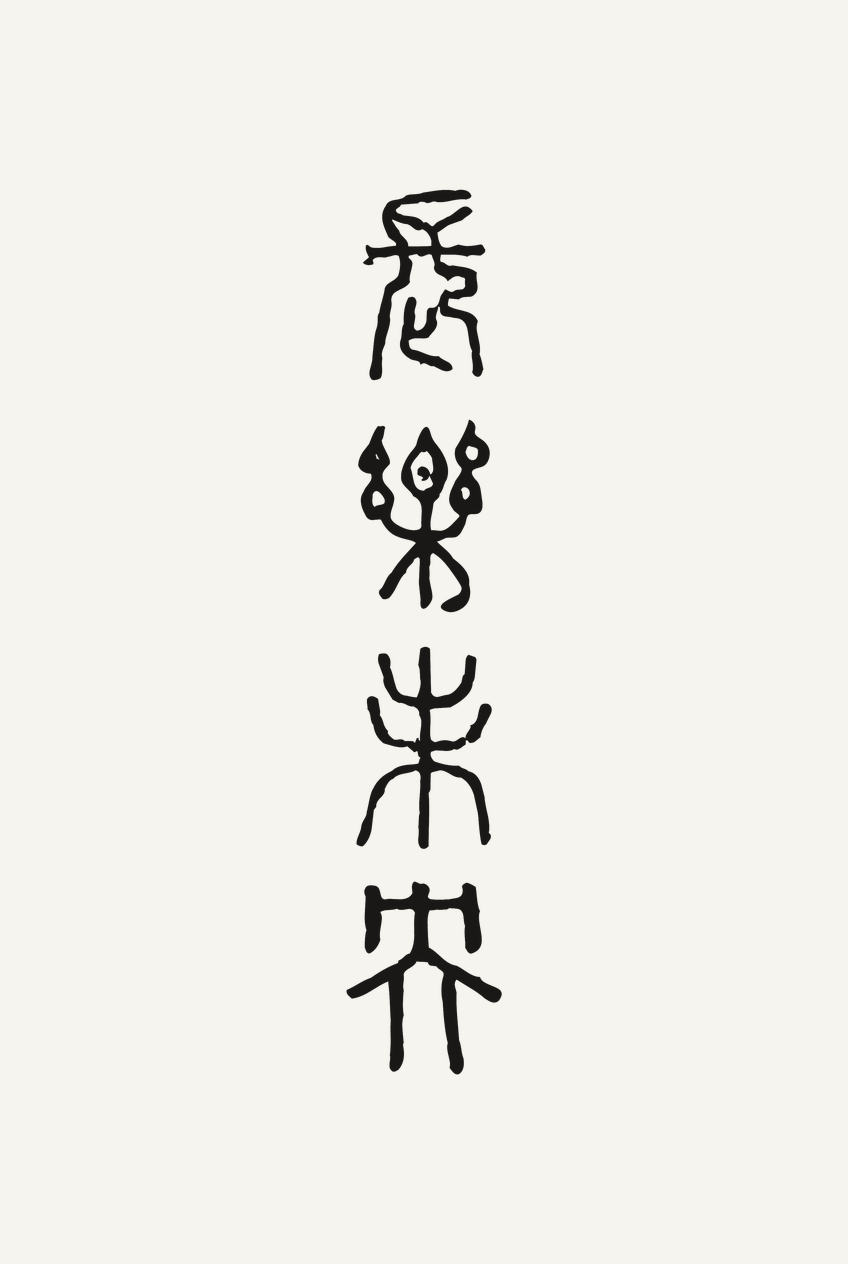
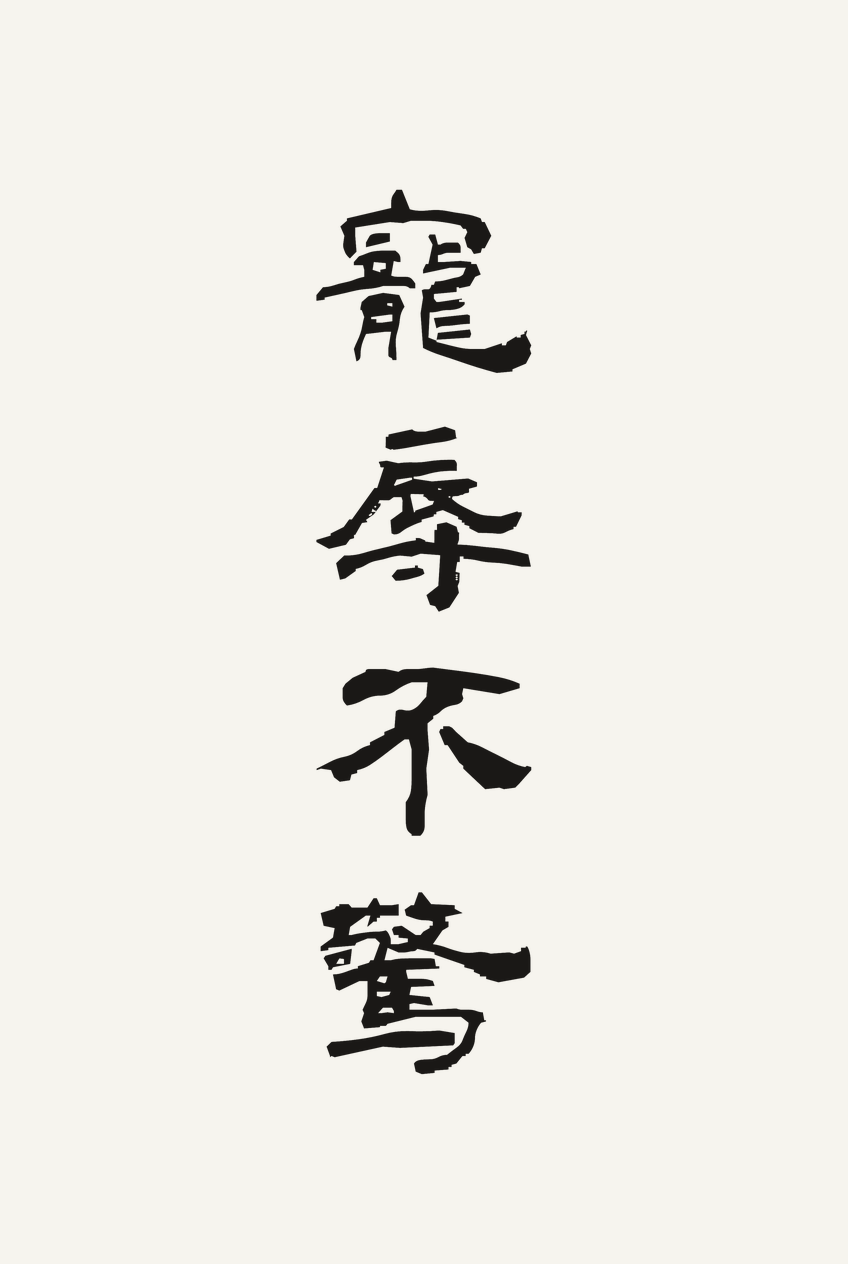
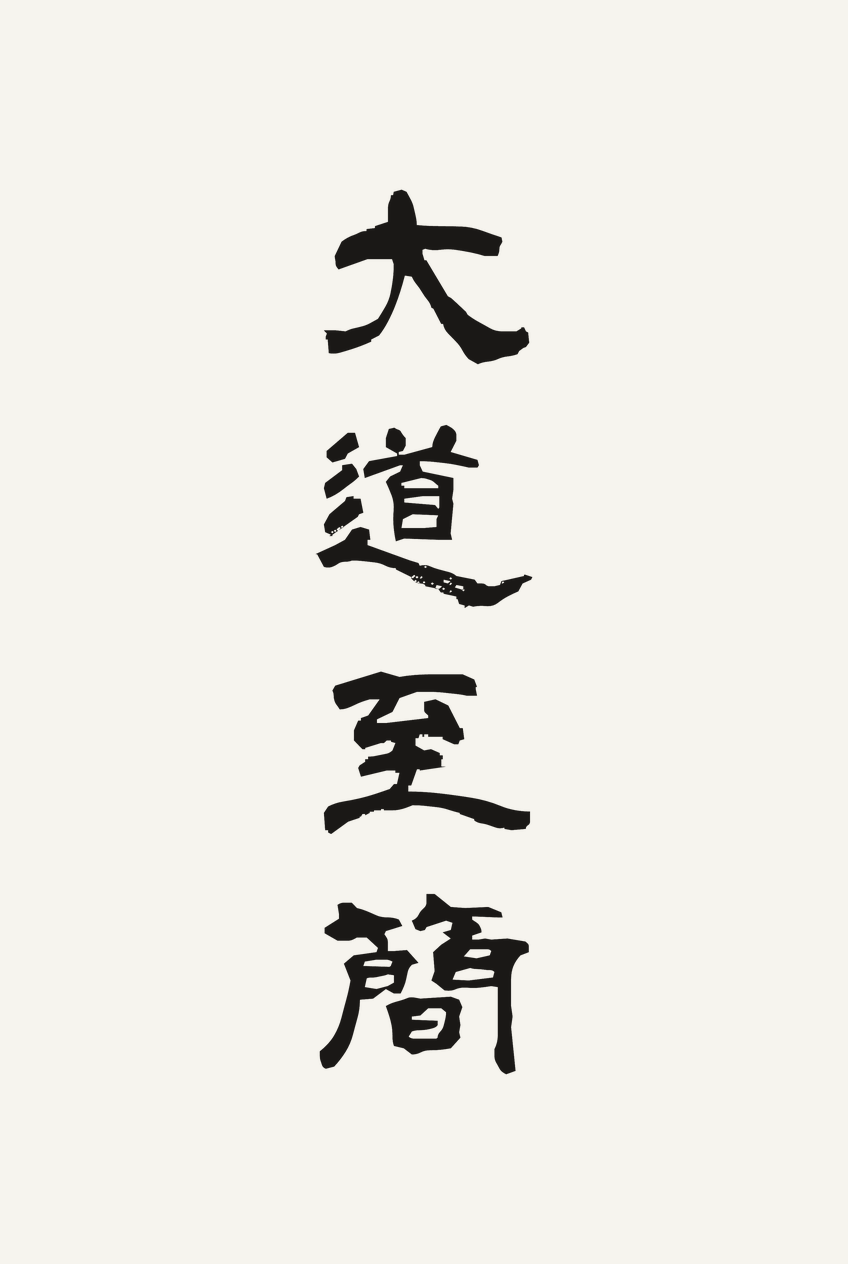
本设计的每一处形制决定都有出处可查,逐条对账。① 四字竖列——按步行走的行程写:两步折返,两步归家。② 隶书、繁形「返璞歸真」——「璞」的玉旁挨着「菐」的劳作:宝石与挖掘同在一个字里;「歸」的止与步让「归」成为一条路。③ 中到大尺寸——12–15 厘米;义理安静,笔画不安静。④ 只用墨——未雕的木上没有镶嵌。
Every form decision points to a recorded source, element by element. ① Four characters, one vertical column — the itinerary as it is walked: two steps back, two steps home. ② Clerical script, traditional form 返璞歸真 — 璞's jade radical beside the 菐 labor: the gem and the digging, one character; 歸's stop-and-go radical makes return a road. ③ Medium-to-large scale — 12–15 cm; the doctrine is quiet, the strokes are not. ④ Black ink only — an uncarved block has no inlay.
来历
战国那卷竹简里的场景:齐王去见隐士颜斶,光是礼节就是一片战场——谁走向谁,王的接近值多少。颜斶赢了每一回合,然后谢绝了作为抚慰奉上的朝廷职位。他的理由就是那四个字:把荣耀剥掉,剩下的这个人无人可辱——因为羞辱在打磨过的表面上跑,而他已回到石头。
老子负责形而上。未雕的朴(樸)是他给「尚未花掉的潜能」起的名字——一件还在用途之前的东西。雕琢让世界成为可能,也收走真实的东西:每件器物都是一块再也不能成为别的东西的木头。这个成语不叫你砸掉自己的器物;它叫你记住那块木——你身上那部分不为任何人的用途而造的东西。人往往很晚才走到这句话面前,通常是在打磨过头之后:职业、信息流、堆满义务的房间。这个纹身标记那次转身——决定自己身上有一部分保持未雕,无论市场为雕刻开什么价。
The scene in the Warring States record: the King of Qi comes to visit the recluse Yan Chu, and the protocol alone is a battlefield — who walks to whom, what a king's proximity is worth. Yan Chu wins every exchange and then declines the court position offered as consolation. His reason is the four characters: strip the honors away, and what is left is a person no one can shame — because shame runs on the polished surface, and he has come back to the stone.
Laozi supplies the metaphysics. The uncarved block (樸) is his name for potential that has not yet been spent — a thing before its uses. Carving makes the world possible and costs something real: every utensil is a block that can no longer be anything else. The idiom does not ask you to smash your utensils; it asks you to remember the block — the part of you that was not made for anyone's use. People arrive at this phrase late, usually after the polishing has gone too far: careers, feeds, rooms full of obligations. The tattoo marks the turn — the decision that some part of you stays uncarved, whatever the market pays for carving.
释义
给打磨够了、不想再被打磨的人——被表演的、被优化的、摸得到自己漆层的人。它不是粗心的许可证;它是边界:我这么多部分可以做器物,这么多部分保持是木。
For the polished who are done being polished — the performed, the optimized, the ones who can feel the lacquer. It is not a license to be careless; it is a boundary: this much of me is utensil, this much stays block.
位置
四字,一个平面:小臂内侧、脊柱、小腿外侧。12–15 厘米;低于 10 厘米「璞」的菐部会挤过阅读极限。
Four characters, one plane: inner forearm, spine, outer calf. 12–15 cm; below 10 cm the 菐 component of 璞 compresses past reading.
纹之前
四个字就是全部设计。 ② 繁形「返璞歸真」。 致密的「璞」就是玉还在石中——义理的缩影。③ 隶书保持平。 这只手拒绝修饰;这本身就是文章。④ 10 厘米起,「璞」的内部才立得住。⑤ 未雕不等于没练过。 那位隐士是在赢下所有论辩之后才谢绝奖赏的。朴是「会雕的人」的选择,不是「从没学会」的借口。
Four characters are the whole design. ② Traditional form 返璞歸真. The dense 璞 is the stone with the jade still in it — the doctrine in miniature. ③ Clerical script stays level. The hand refuses ornament; that is the essay. ④ Minimum 10 cm for 璞's interior. ⑤ Uncarved does not mean unworked. The reclusive statesman won every argument before declining the prize. The block is a choice made by someone who could carve — not someone who never learned.
本卡每一个汉字都由中文母语者选定并逐笔核对。