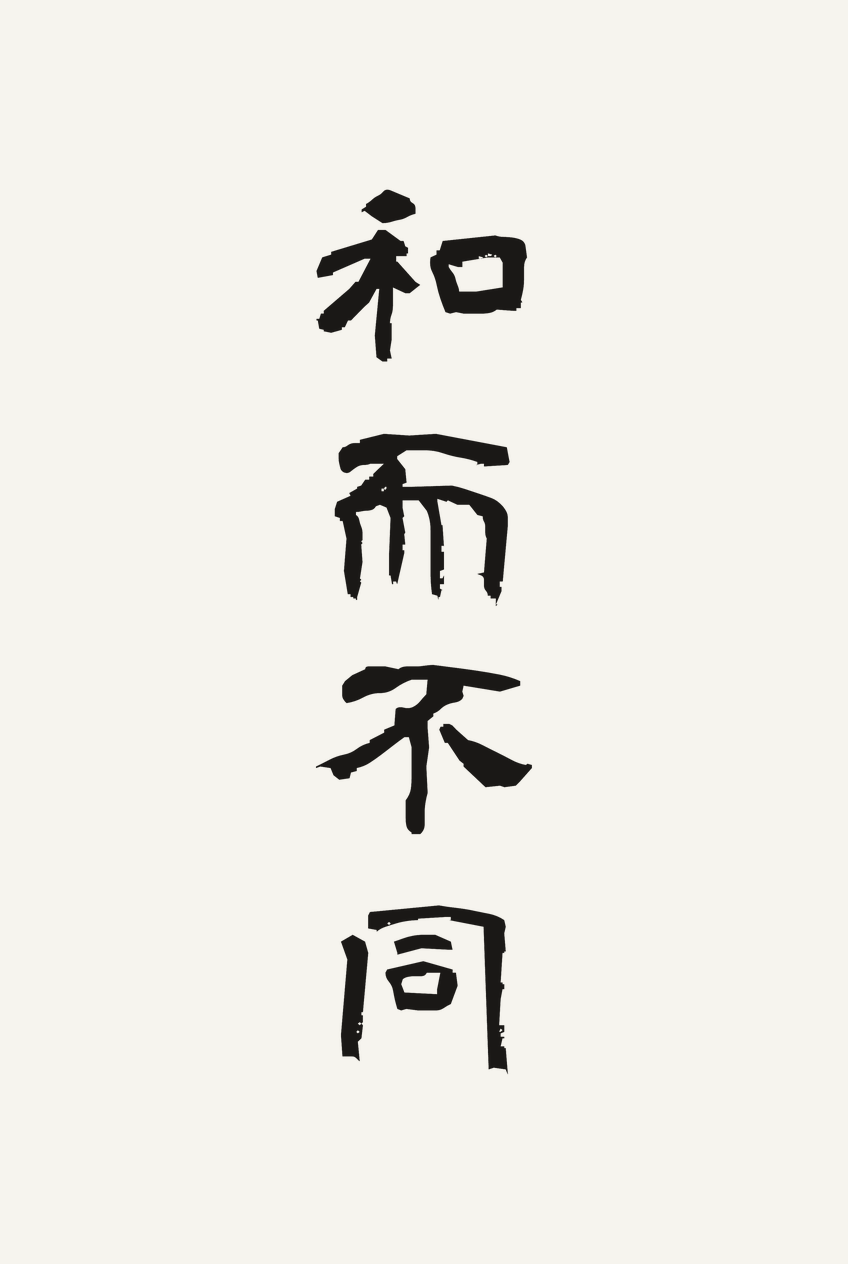
和而不同 · Hé Ér Bù Tóng
In Harmony, Not Identical
系列: 吉语成语 · Design #18
笔法: four characters, vertical column · clerical script (lishu) · same form 和而不同 · medium-to-large
形态: 四字竖列大字,隶书
名字
和而不同——和谐,但不相同。《论语》里关于「共生」最短的一门课:和是不同的事物各守其异达成的,不是事物彼此相似凑成的。盐和汤;弦和鼓。什么都可以附和的人,给曲子添不了任何东西。纹下它,是一句安静的姿态陈述:我可以与你并肩,不必做你的复印件。
*Hé ér bù tóng* — harmonious, and not the same. The Analects' shortest course in pluralism: harmony is achieved by different things holding their difference, not by things matching. Salt and soup; strings and drums. A person who agrees with everything adds nothing to the tune. As a tattoo, it is a quiet position statement: I can hold the line with you without being your copy.
出处
《论语·子路》:君子和而不同,小人同而不和。孔子接的是更早的政治家晏婴的「厨房注」(左传·昭公二十年):和是羹汤——水、火、醋、酱、盐、梅各守其异,把鱼煮成菜;同是「再添一勺水」。这个纹身短语同时背着两篇文献。墨线转写:本设计以传统母题的经典线条造型为底,转写为纹身墨线。
《论语·子路》:君子和而不同,小人同而不和 — "the exemplary person seeks harmony, not sameness; the small person seeks sameness, and has no harmony." Confucius inherits the older statesman Yan Ying's kitchen-gloss (《左传·昭公二十年》): harmony is soup — water, fire, vinegar, sauce, salt, plums, all held different, cooking the fish; sameness is "just more water." The tattooed phrase carries both texts. Inking note: this design adapts the classic line construction of the traditional motif and re-inks it as tattoo linework.
设计灵感
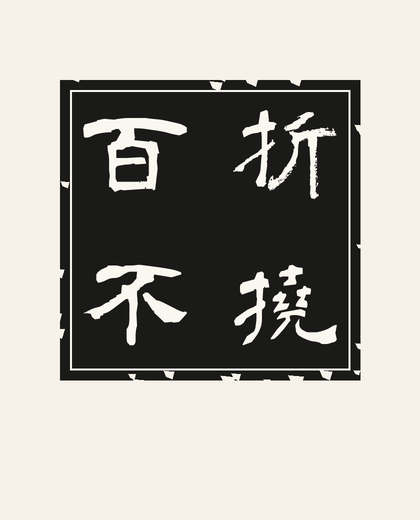
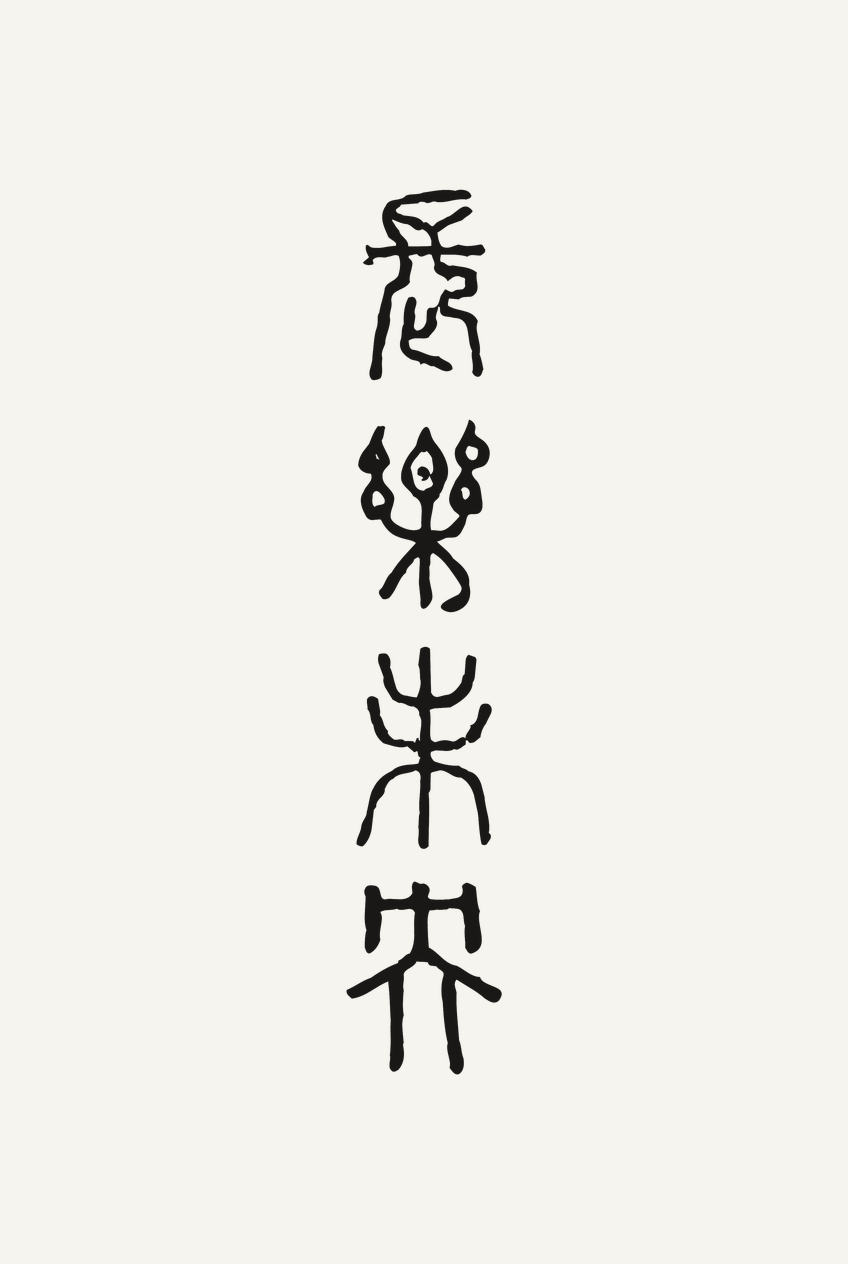
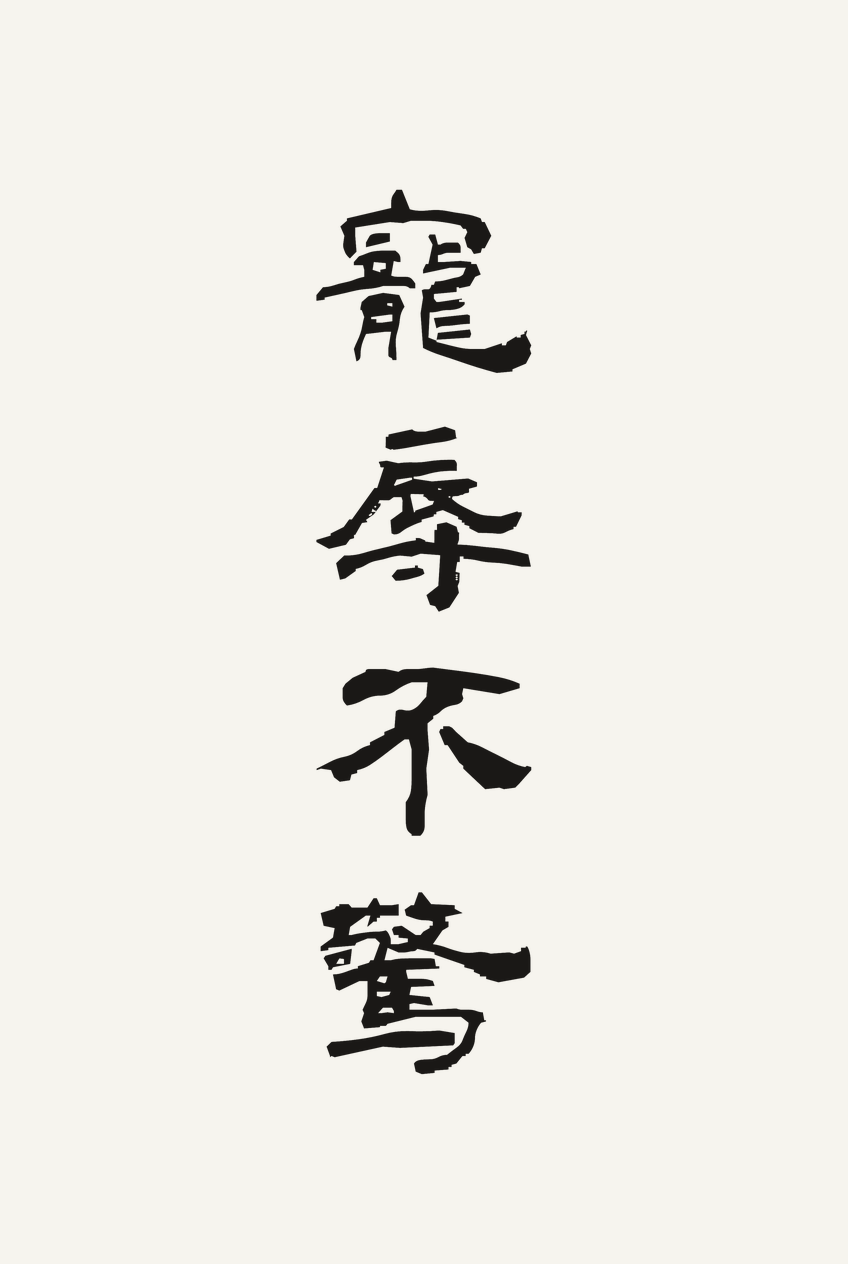
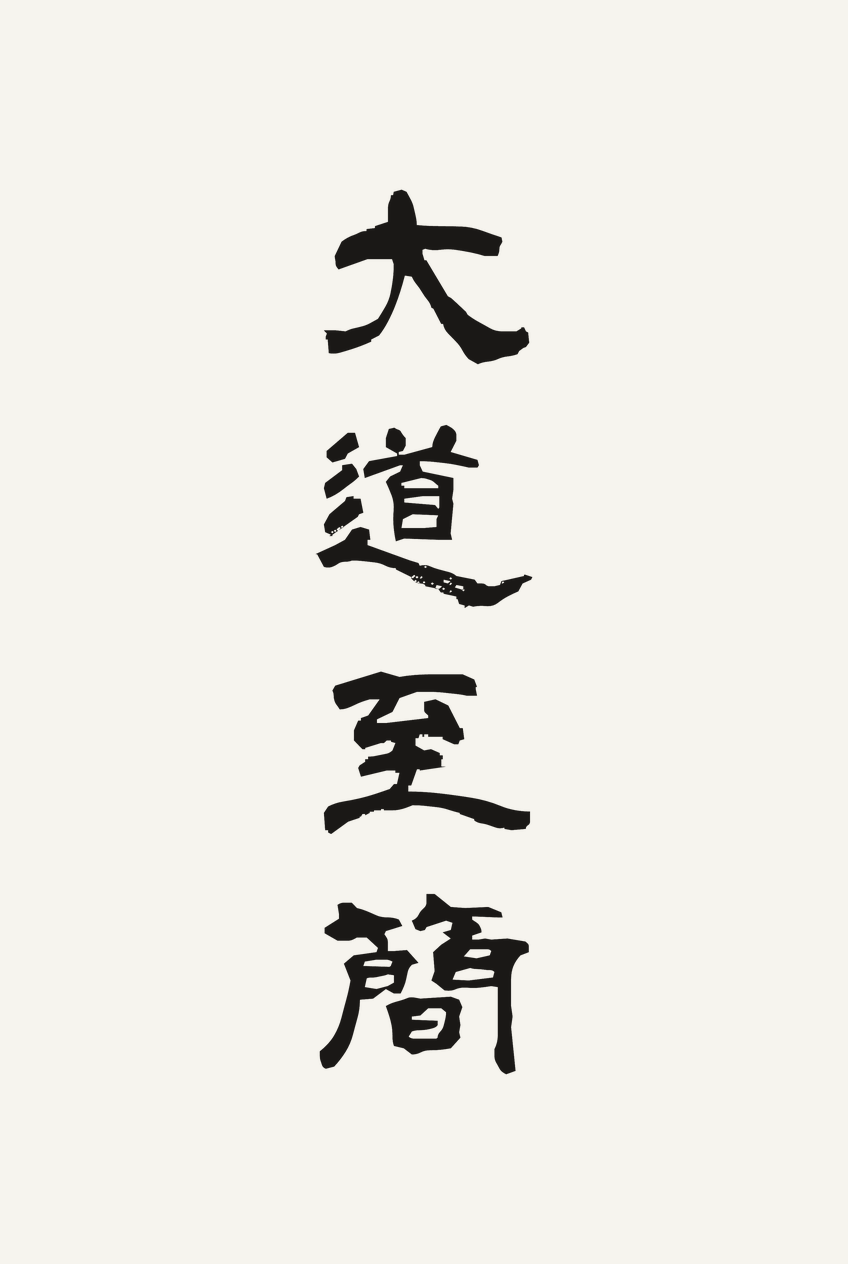
本设计的每一处形制决定都有出处可查,逐条对账。① 四字竖列——一行字代表一个人的脊梁:在合奏里,但不被合奏溶解。② 隶书、同形「和而不同」——「和」的禾与口对着「同」的围合内部:开放的部首与封闭的部首同列共存。③ 中到大尺寸——12–15 厘米;陈述是安静的,笔画不能是。④ 只用墨——和在一个声部里;异在笔画里。
Every form decision points to a recorded source, element by element. ① Four characters, one vertical column — a single line of text standing for a single person's spine: present in the ensemble, not dissolved into it. ② Clerical script, same form 和而不同 — 和's grain-mouth (禾 + 口) against 同's enclosed interior: the open radical and the closed one, sharing a column. ③ Medium-to-large scale — 12–15 cm; the statement is quiet but the strokes must not be. ④ Black ink only — harmony in one voice; difference in the strokes.
来历
晏婴的羹汤在前。当君主问他为何厌恶谄臣,这位伸手够向厨房:好羹要水、火、醋、酱、盐、梅——各守本性——再用它们去煮鱼和肉。往水里添水,谁能喝?政治同理:一个所有声音都一致的朝廷不是和,是回声。孔子把厨房压成七个字(译按:四字成语),立为品格的定义:君子可以与你完全共鸣,同时精确地保持不是你。
这个词长成了这门语言里最能随身携带的观念之一——外交场合引用,课堂上引用,婚姻里也引用。它的力量在于拒绝两个出口:通往从众的出口(什么都同意,什么都不属于)和通往决裂的出口(什么都相异,什么都不属于)。和而不同命名了第三条路,窄的那条:在场而不溶解。这个纹身就是那个立场,穿在皮肤这一层——给所有这样的人:他们对家庭、国家、信仰或伴侣的归属,附带在归属内部继续做自己的权利。
Yan Ying's soup came first. When his lord asked why he disliked a flatterer, the minister reached for the kitchen: a good soup takes water, fire, vinegar, sauce, salt and plums — each keeping its own nature — and cooks the fish and meat with them. Add water to water, and who could eat it? Politics worked the same way: a court where every voice agrees is not harmony, it is an echo. Confucius compressed the kitchen into seven characters and made it a definition of character: the exemplary person can be fully in accord with you while remaining exactly not-you.
The phrase has aged into one of the most portable ideas in the language — quoted in diplomacy, in classrooms, in marriages. Its power is that it refuses both exits: the exit into conformity (agree with everything, belong to nothing) and the exit into schism (differ on everything, belong to nothing). 和而不同 names the third road, the narrow one: engagement without dissolution. The tattoo is that position, worn at skin level — for everyone whose belonging to a family, a country, a faith, or a partnership came with the right to remain themselves inside it.
释义
给在归属内部持守差异的人——离散者、强家庭里持异见的孩子、没有合并成一体的伴侣。它认证第三条路是古典的,不是孤独的。
For the ones holding difference inside belonging — the diaspora, the dissenting children of strong families, the partners who did not merge. It certifies the third road as classical, not lonely.
位置
四字,一个平面:小臂内侧、脊柱、后颈。12–15 厘米读作一次公开表态;低于 10 厘米「同」的围合会糊。
Four characters, one plane: inner forearm, spine, nape. 12–15 cm reads as a stated position; below 10 cm, 同's enclosure clogs.
纹之前
四个字就是全部设计。 去掉「而」,整句话的语法就变了。② 同形「和而不同」——简繁同形。③ 隶书保持平。 一只稳定的手横贯四个不同的字——形制本身在演内容。④ 10 厘米起。 ⑤ 它是承诺,不是口号。 这句话责成你留在与你相异的人的房间里。如果打算每次艰难对话都退场,墨就走在了佩戴者前面。
Four characters are the whole design. Drop 而 and you have changed the grammar of the claim. ② Same form 和而不同 — identical in traditional script. ③ Clerical script stays level. One steady voice across four different characters — the form enacts the content. ④ Minimum 10 cm. ⑤ It is a commitment, not a slogan. The phrase obliges you to stay in the room with people you differ from. If you plan to wear it while walking out of every hard conversation, the ink is ahead of the wearer.
本卡每一个汉字都由中文母语者选定并逐笔核对。