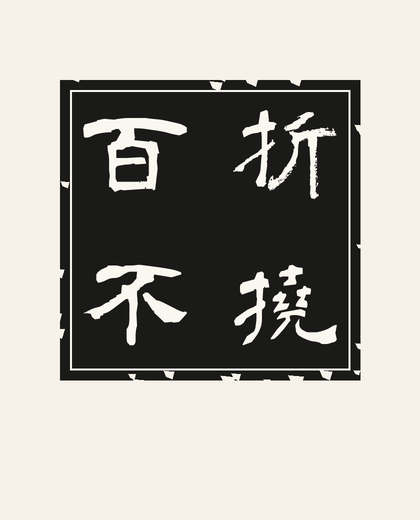
百折不挠 · Bǎi Zhé Bù Náo
Unyielding Through a Hundred Blows
Series: Auspicious Idioms · Design #64
Style: Four characters in a 2×2 square, read left-to-right top row then bottom · Han-seal filled-white (bǎiwén) stamp — black ground, reversed white glyphs, weathered border · clerical script (lishu), traditional form 百折不撓 · medium-to-large scale
Form: 文字
The Name
*Bǎi zhé bù náo* — bent a hundred times, never broken. 百 is a hundred; 折 is to bend or snap; 不 is not; 挠 (撓) is to yield or give way. The phrase does not say "never bent" — it says bent over and over and still not giving in. Its power is in that honesty: it assumes the blows will come.
百折不挠(bǎi zhé bù náo)——折了一百回,也不屈服。百是一百;折是弯、断;不是不;挠(撓)是屈服、让步。这句话没说"从不弯"——它说的是弯了一回又一回,还是不让步。它的力量正在这份诚实:它预设了打击一定会来。
Source & Provenance
The phrase comes from an Eastern Han inscription by Cai Yong (蔡邕), *Tài Wèi Qiáo Gōng Bēi* (太尉桥公碑, "Stele to Grand Commandant Qiao"), praising Qiao Xuan (桥玄): 有百折不挠、临大节而不可夺之风 — "he had the spirit of being unyielding through a hundred blows, and impossible to shake when a great matter was at stake." The historical episode behind the stele is recorded in the *Hòu Hàn Shū* (Book of the Later Han), biography of Qiao Xuan: when his ten-year-old son was kidnapped, Qiao refused to pay the ransom, pressed the authorities to attack the kidnappers, and after the boy died, petitioned that the practice of ransom-begetting-kidnapping be outlawed — kidnapping for ransom then ceased. Inking note: this design adapts the classic line construction of the traditional motif and re-inks it as tattoo linework.
这句出自东汉蔡邕《太尉桥公碑》,颂桥玄:有百折不挠、临大节而不可夺之风。碑文背后的史实见《后汉书·桥玄传》:桥玄十岁的儿子被劫持,他拒绝付赎金、催官兵进攻,孩子死后又上书请禁赎金之道,劫质之风由此断绝。墨线转写:本设计以传统母题的经典线条造型为底,转写为纹身墨线。
Design Inspiration
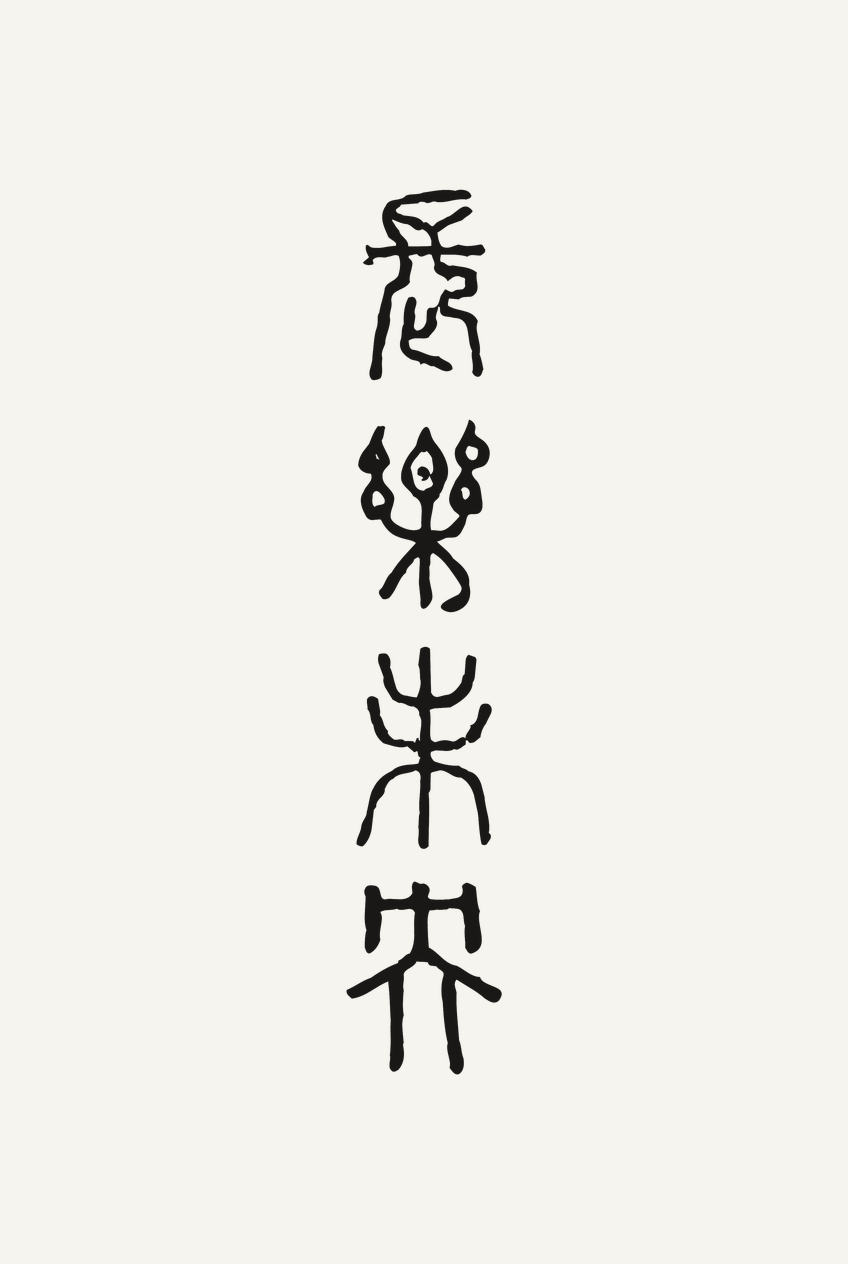
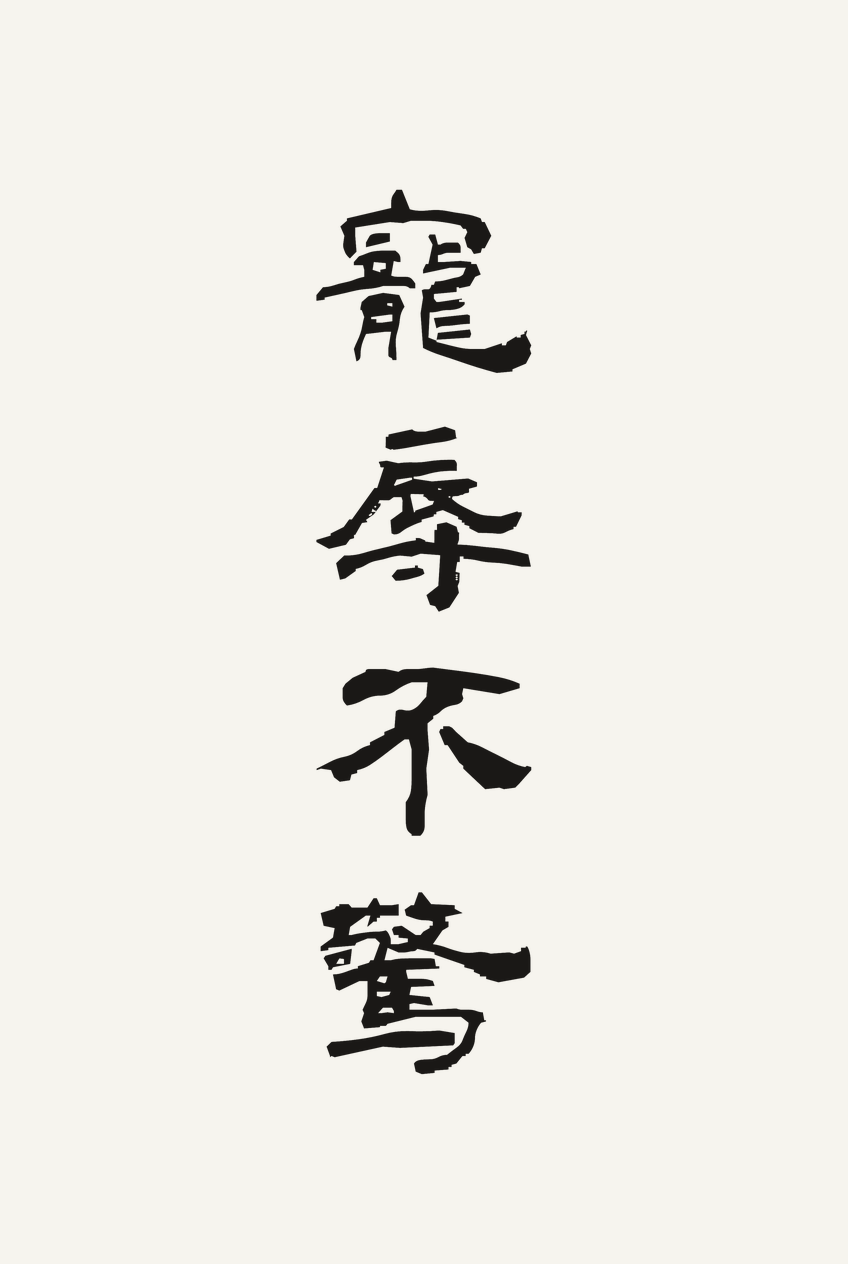
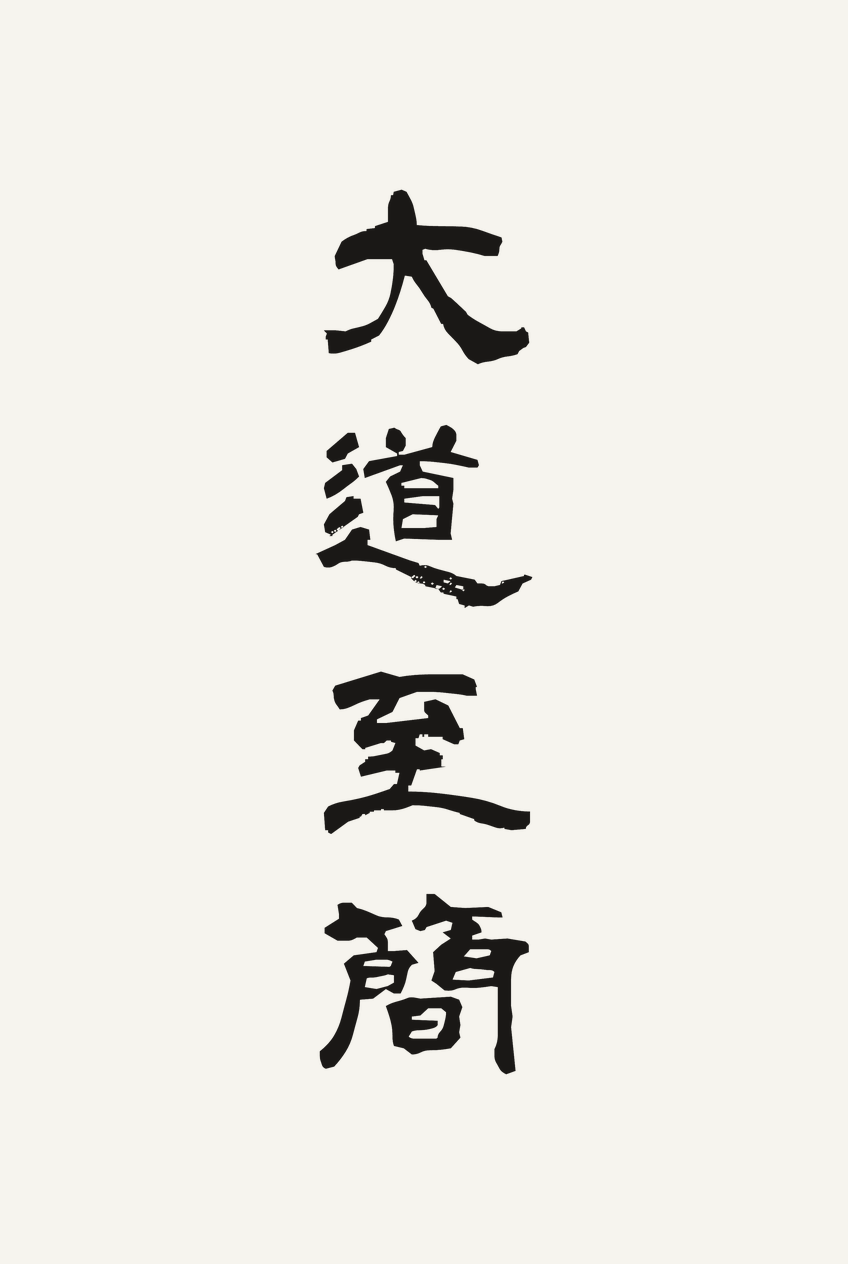
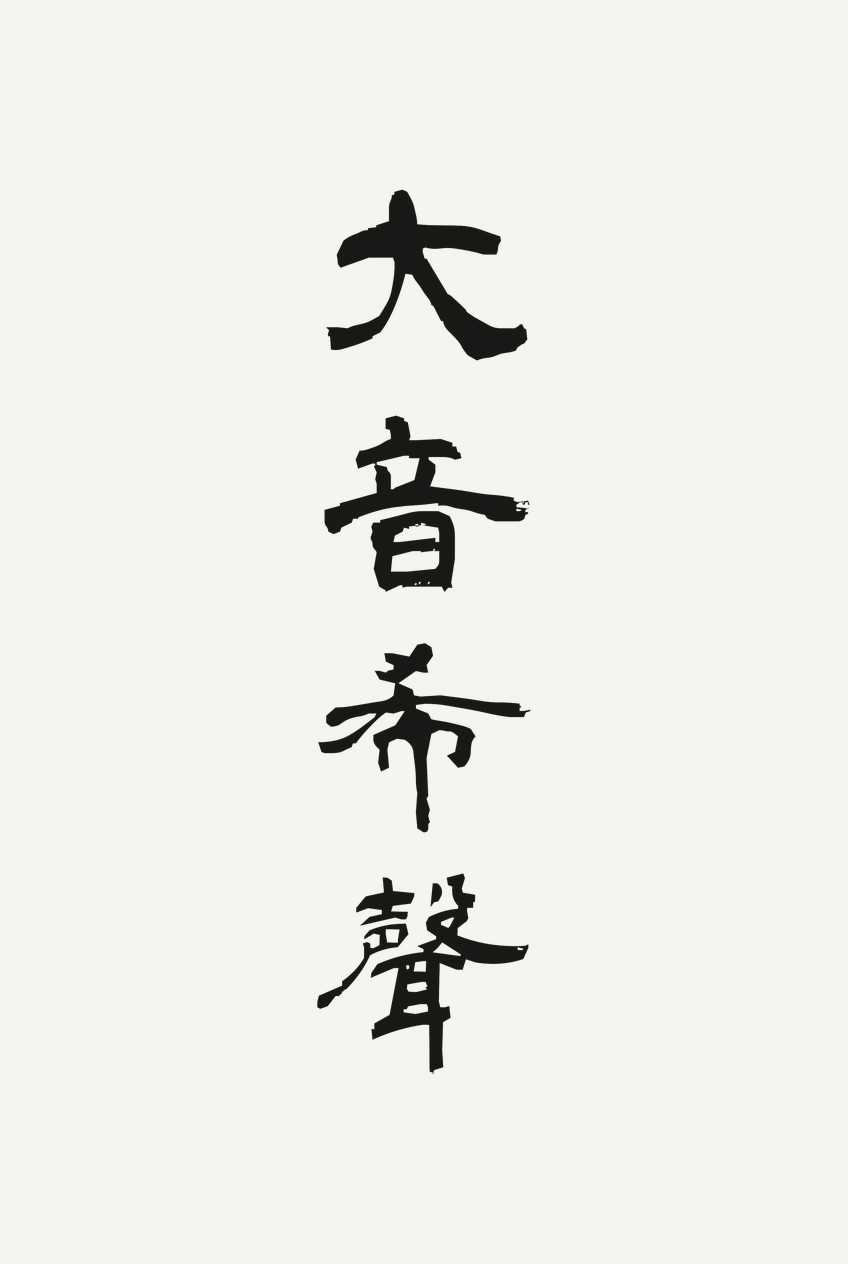
Every form decision points to a recorded source, element by element. ① Four characters in a 2×2 square, read across — the modern left-to-right order, chosen so an overseas reader can follow the phrase without knowing the classical right-to-left seal convention. ② Clerical script, traditional form 百折不撓 — the script of the Han stone steles, the same monumental register as the source inscription; the traditional 撓 keeps the original glyph. ③ The filled-white treatment — the phrase cut out of the black field, resilience left as what remains visible. ④ Even weight across all four characters — no character is emphasized, because the phrase's meaning is endurance across *all* the blows, not one heroic moment. ⑤ Weathered border — a hand-set seal, like the worn surface of a stele.
本设计每一处形制决定都有出处可查,逐条对账。① 四字 2×2 方阵、横着读——采用现代从左往右的次序,让海外读者不必懂古典印章的从右往左也能读顺。② 隶书、繁形「百折不撓」——汉代碑刻的书体,与出处碑文同一庄重语域;繁体「撓」保留原字形。③ 满白文处理——整句从黑地里刻出来,不屈是留下来可见的部分。④ 四字等重——不突出任何一字,因为这句话说的是*所有*打击里的坚持,不是一个英雄瞬间。⑤ 残边——手工盖出的印,像碑面被岁月磨过的痕。
The Story
Qiao Xuan's son was taken, and the ransom was demanded. He refused. The authorities moved in; the boy died. He then did the thing that made the story survive two thousand years — instead of withdrawing in grief, he petitioned the court to close the channel that made kidnapping profitable. If families could be made to pay, children would keep being taken. Cut the payment, and the practice ended.
Cai Yong carved the judgment onto stone: 有百折不挠、临大节而不可夺之风 — unyielding through a hundred blows, impossible to shake when the great matter came. The phrase is not about not feeling the blows. Qiao Xuan lost his son. It is about what you do after the worst one: you look at the system that produced it, and you close it.
That is why 百折不挠 is a harder word than its motivational uses suggest. "Bent a hundred times, not broken" sounds like simple endurance. The source story shows it is endurance *plus* judgment — the strength to stay standing long enough to do something about the thing that knocked you down.
To wear it is to take that exact standard: not invulnerability, but the refusal to let the hundredth bend be the one that ends you.
桥玄的儿子被劫,赎金被索要。他拒绝。官府进攻,孩子死了。接下来他做了那件让故事活了两千年的事——他没有在悲痛里退缩,而是上书朝廷,堵死那条让劫持有利可图的路。只要家人肯付钱,孩子就会被一再掳走。切断付款,这件事就绝了。
蔡邕把这个评语刻上石头:有百折不挠、临大节而不可夺之风——折了一百回也不屈服,大节当前不可动摇。这句话说的不是"感觉不到打击"。桥玄失去了儿子。它说的是最狠的那一击之后你做什么:你去看那个制造悲剧的机制,然后把它关掉。
所以「百折不挠」比它被用成励志口号时更难。"百折而不挠"听着只是硬扛。出处里的故事显示它是硬扛*加上*判断——是站稳到足以对把你打倒的那件事做点什么的力气。
纹这四个字,是认下这个标准:不是刀枪不入,是不让第一百次弯下去,成为终止你的那一次。
What It Means
Resilience measured across many blows, not one. The source story adds judgment to endurance: stay standing long enough to change the thing that keeps knocking you down. Bent a hundred times — and still not yielded.
坚韧是按许多次打击、而不是一次来量的。出处里的故事给坚韧加了判断:站稳到足以改变那个一再打倒你的东西。弯了一百回——还是没有让步。
Where It Sits
A 2×2 square needs a broad, flat field. Upper back and outer thigh at 12–16 cm; shoulder blade at 12–14 cm; chest at 13–16 cm. Keep all four characters on one plane and at equal size — the square is the design, and breaking it apart costs the phrase its force. Minimum 12 cm.
2×2 方阵需要宽而平的面。上背与大腿外侧 12–16 厘米;肩胛 12–14 厘米;胸口 13–16 厘米。四字要在同一平面、同等大小——方形就是设计本身,拆开会散掉这句话的力气。最小 12 厘米。
Before You Ink
Negative-form seal — use the supplied white-ground black-line transfer sheet; the black cover is the finished stamp, not the stencil. ② Traditional form 百折不撓 — the simplified 挠 breaks the Han-stele register. ③ Read order — this version reads left-to-right across each row; do not let a studio rearrange it into right-to-left. ④ Four equal characters — no single one enlarged. ⑤ Ink only. Minimum 12 cm. ⑥ One script only — clerical version; do not mix seal-script characters into the square.
负形印——用随卡附的白底黑线转印页;黑底封面是成品印,不是转印稿。② 繁体「百折不撓」——简体「挠」会切断汉碑的语域。③ 读序——本版每行从左往右读,别让师傅改成从右往左。④ 四字等大——不放大任何一字。⑤ 只用墨,最小 12 厘米。 ⑥ 只纹一体——本款隶书,勿在方阵里混入篆书字。
Every character on this card was selected and checked stroke by stroke by a native reader of Chinese.