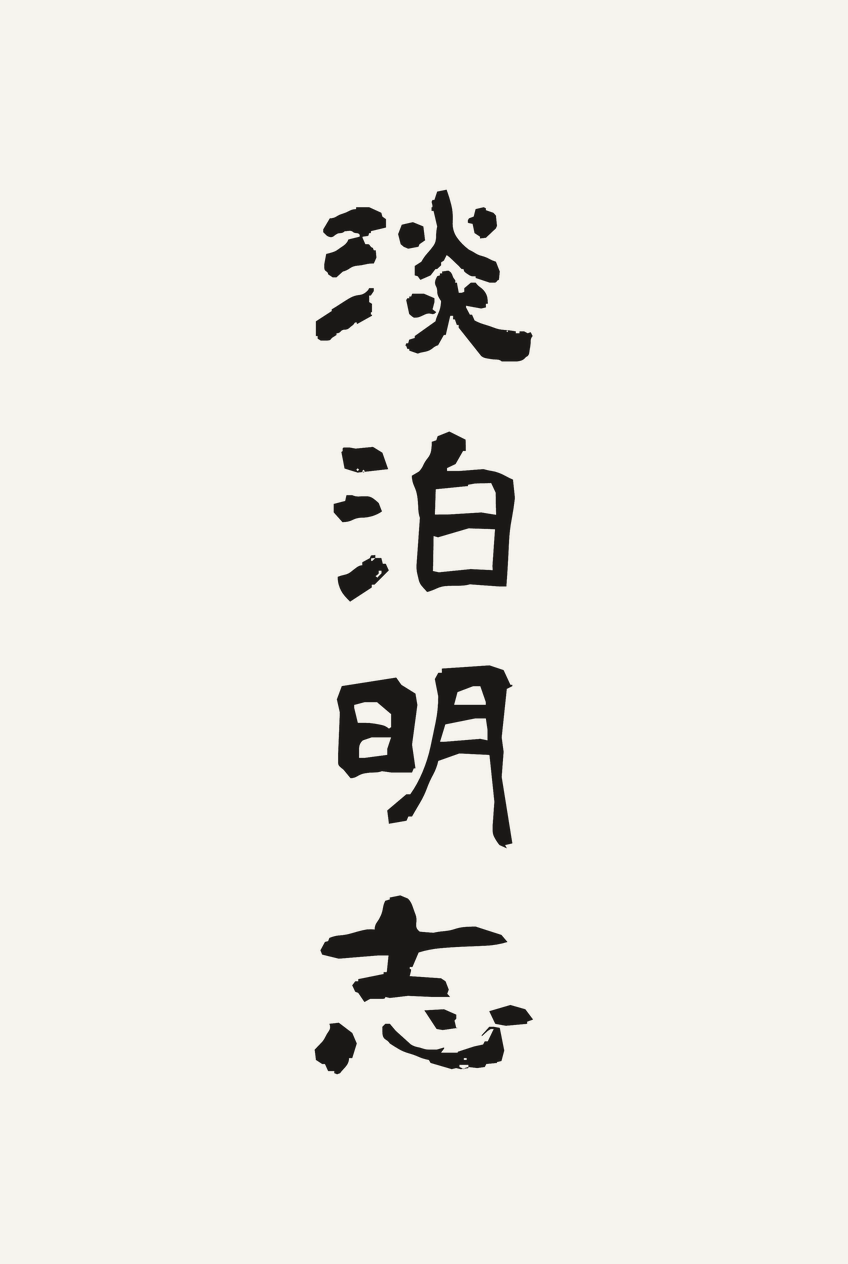
淡泊明志 · Dàn Bó Míng Zhì
Plain Living, Clear Purpose
Series: Auspicious Idioms · Design #28
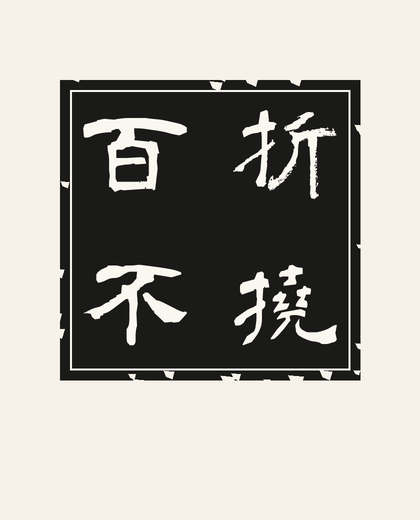
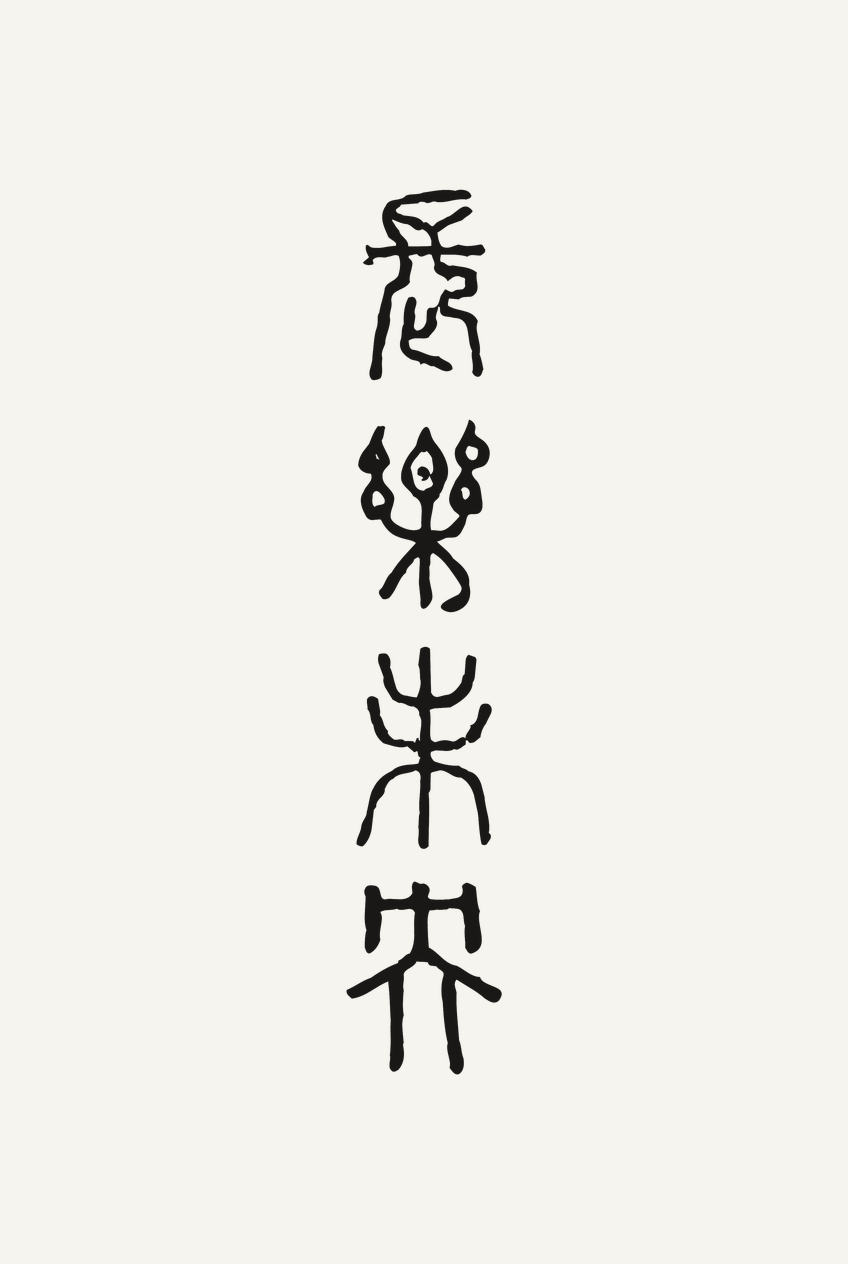
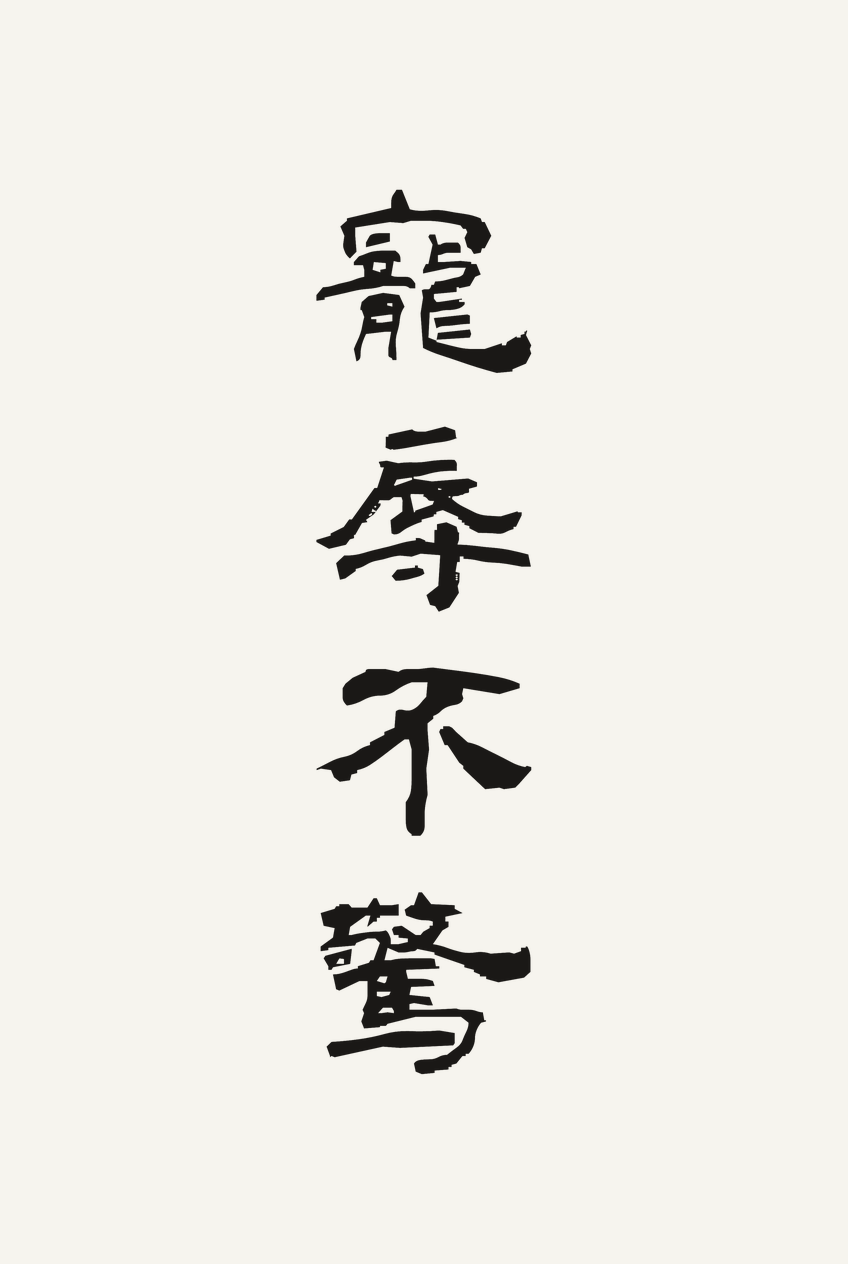
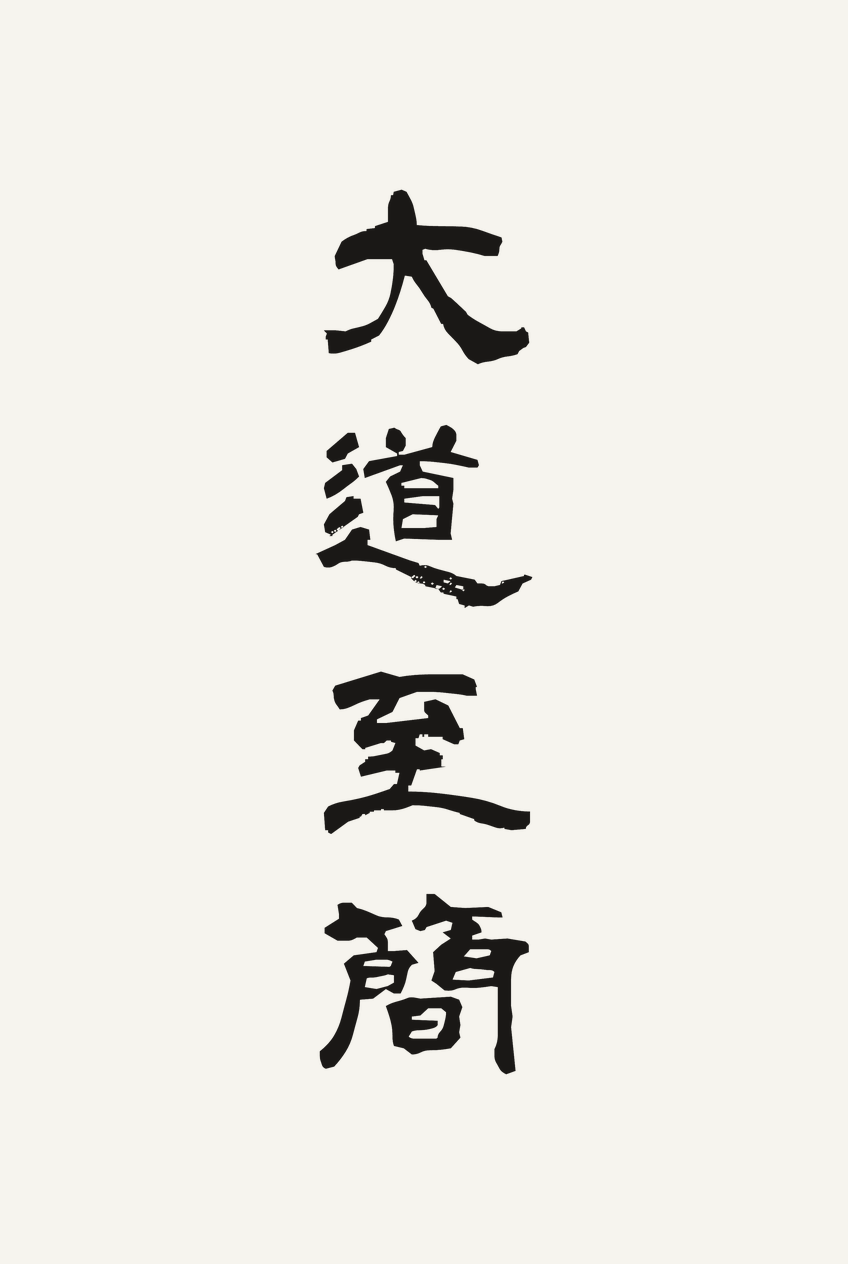
Style: four characters, vertical column · clerical script (lishu, traditional form 淡泊明志) · medium
Form: 文字
The Name
In 234 AD, a year before he died at the front, the chancellor Zhuge Liang wrote home to his eight-year-old son. The letter is eighty-six characters long and has outlived every dynasty since. Its first line: 非淡泊無以明志,非寧靜無以致遠 — without plain living, no clarity of purpose; without quiet, no distance. This design takes the first half of the couplet. Its twin, 宁静致远, is already in the shop; together they are the whole sentence.
公元 234 年,丞相诸葛亮在军前,死前一年,写信回家给八岁的儿子。全信八十六个字,比此后所有王朝活得都久。第一句:非淡泊無以明志,非寧靜無以致遠——不把生活过淡,志就明不了;不把心放静,路就走不远。本设计取对偶的前半。它的孪生兄弟「宁静致远」已在店中;两件合起来,是完整的一句话。
Source & Provenance
Zhuge Liang, "Admonition to My Son" (誡子書, 234 AD): 非淡泊無以明志 — original text. The four-character compound is lifted from the original couplet's first clause; the wording is the author's own. Provenance is as clean as a text tattoo gets. Inking note: this design adapts the classic line construction of the traditional motif and re-inks it as tattoo linework.
诸葛亮《诫子书》(234 年):非淡泊無以明志——原文实录。四字连文从原句对偶的前半句直接提炼,措辞是作者自己的。出处的干净程度,文字类纹身里没有更高的了。墨线转写:本设计以传统母题的经典线条造型为底,转写为纹身墨线。
Design Inspiration
Every form decision points to a recorded source, element by element. ① Four characters, one vertical column — the couplet's grammar: condition first, result compacted into two characters (明志). ② Clerical script, traditional form 淡泊明志 — level, unglamorous strokes: the letter was written in a tent, not a palace. ③ Medium scale — 12–14 cm on the forearm reads at conversational distance. ④ Black ink only — plain living, plain ink.
本设计的每一处形制决定都有出处可查,逐条对账。① 四字竖列——对偶的语法:条件在前,结果压进两个字(明志)。② 隶书、繁形「淡泊明志」——平正、不事雕琢的笔画:这封信写在军帐里,不在宫殿里。③ 中等尺寸——12–14 厘米,小臂上按对话距离可读。④ 只用墨——淡泊的生活,配淡泊的墨。
The Story
Zhuge Liang is the man every ambitious culture quotes and almost no one imitates. What makes the letter survive is that he earned the right to write it: the most powerful administrator of his age died owning, by his own report to the throne, enough mulberry trees to feed his family and no more. 淡泊 is not poverty aesthetics. It is budgeting your desire so that your ambition has somewhere to live.
诸葛亮是每种野心文化都引用、几乎没人模仿的那个人。这封信能活下来的原因,是他写得起:他那个时代最有权势的行政官,在给皇帝的报告里自报家产——桑树够一家人吃饭,仅此而已。淡泊不是贫穷美学。它是给欲望做预算,好让你的志向有地方住。
What It Means
For people whose ambitions keep getting priced by other people's comparisons. It is a keepsake from the man who had every excuse to keep up, and declined.
给那些志向总被别人的比较标价的人。这是那个拥有一切跟风理由、却拒绝跟风的人留下的纪念品。
Where It Sits
Four characters, one column: inner forearm best, spine, outer thigh; 12–14 cm; below 9 cm the denser glyphs clog.
四字竖列:小臂内侧最佳,脊柱、大腿外侧;12–14 厘米;低于 9 厘米密字会糊。
Before You Ink
Four characters are the whole design. ② Traditional form 淡泊明志. ③ Minimum 9 cm. ④ It is half of a couplet — 宁静致远 is its twin; some wear one, some wear both. ⑤ Plain living is the method, not the mood — if the tattoo outlives the discipline, it is a costume, and costumes show.
四个字就是全部设计。 ② 繁形「淡泊明志」。 ③ 9 厘米起。 ④ 它是对偶的一半——「宁静致远」是孪生;有人纹一件,有人纹一对。⑤ 淡泊是方法,不是情绪——如果纹身活得比自律久,它就是戏服,而戏服是看得出来的。
Every character on this card was selected and checked stroke by stroke by a native reader of Chinese.