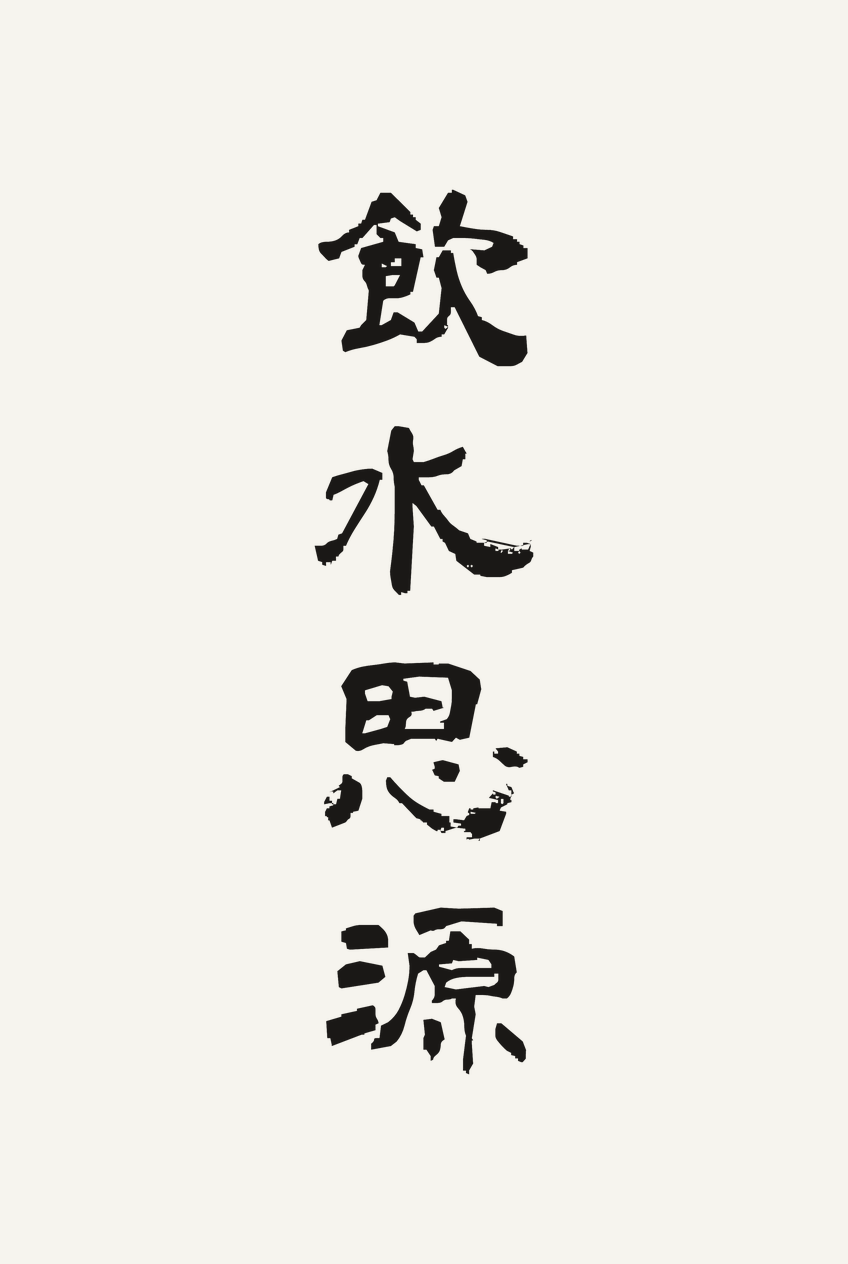
饮水思源 · Yǐn Shuǐ Sī Yuán
Drink the Water; Remember the Source
Series: Auspicious Idioms · Design #30
Style: four characters, vertical column · clerical script (lishu, traditional form 飲水思源) · medium
Form: 文字
The Name
The diplomat-poet Yu Xin, writing in the sixth century after a lifetime spent as a hostage of dynastic politics, put gratitude in one image: the one who eats the fruit thinks of the tree; the one who drinks the flow remembers the spring. 飲其流者懷其源. The four-character form crystallized later — but the image is the original's own, and it has been the idiom of every graduation, every family altar, every repaid debt since.
六世纪的诗人外交家庾信,一生做的是被政权质押的差事,把感恩收进一幅画面里:吃果子的人想着那棵树;喝水的人记着那眼泉。飲其流者懷其源。四字定型在后——但画面是原句自己的,此后每一场毕业、每一张供桌、每一笔还清的债,用的都是它。
Source & Provenance
Yu Xin, "Zhi Mode Tune" in the five-mode suite (周五聲調曲·徵調曲, 6th c.): 落其實者思其樹,飲其流者懷其源 — the image is original; the four-character compound 飲水思源 is a later crystallization, dated honestly as folk-late. Inking note: this design adapts the classic line construction of the traditional motif and re-inks it as tattoo linework.
庾信《周五声调曲·徵调曲》(六世纪):落其實者思其樹,飲其流者懷其源——画面是原文;四字连文「飲水思源」为后起定型,如实断代为民间晚出。墨线转写:本设计以传统母题的经典线条造型为底,转写为纹身墨线。
Design Inspiration
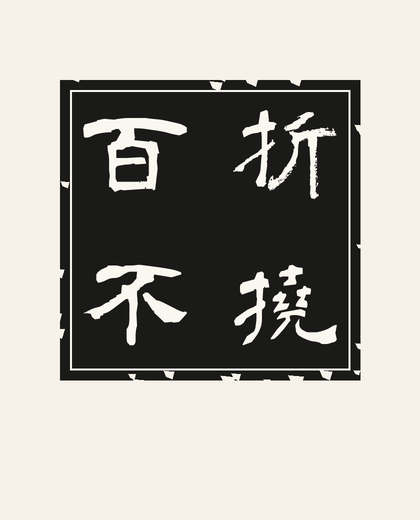
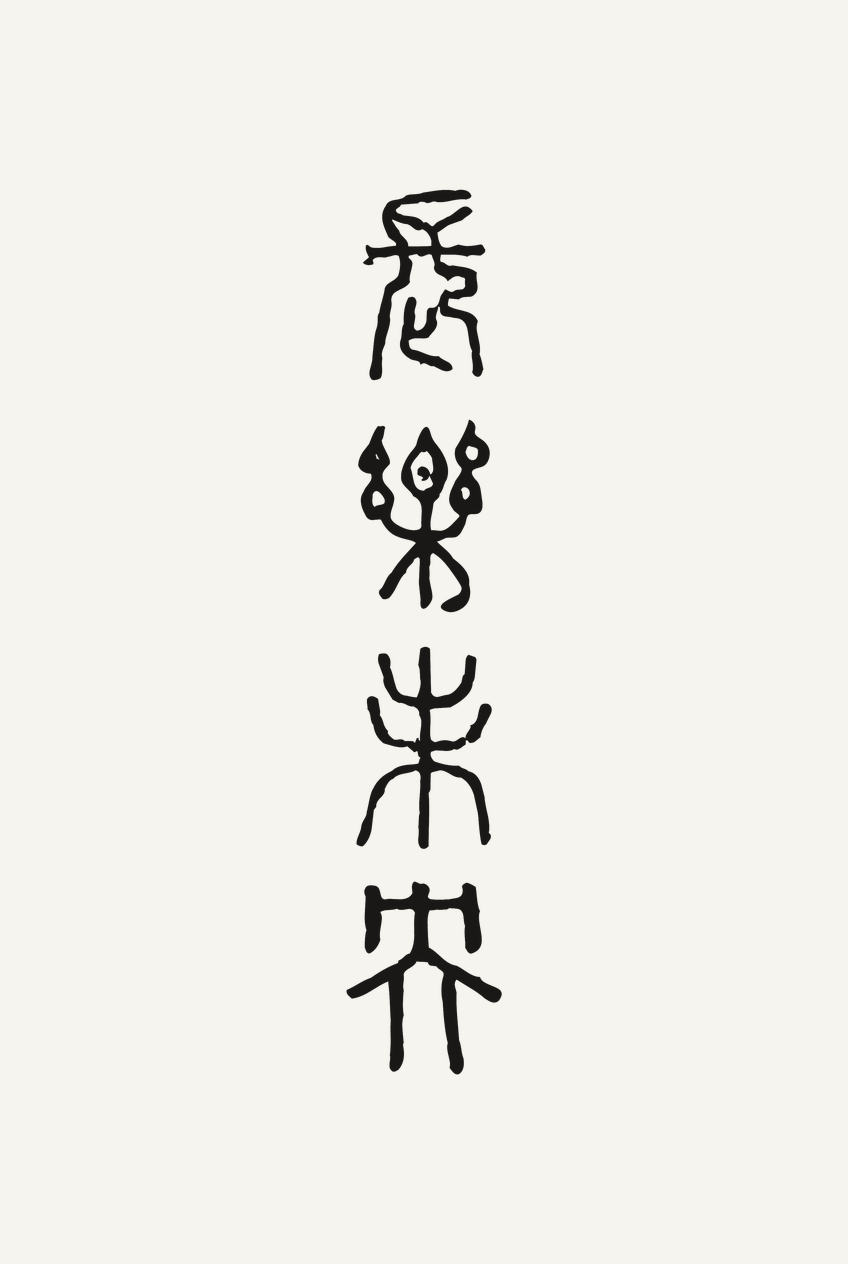
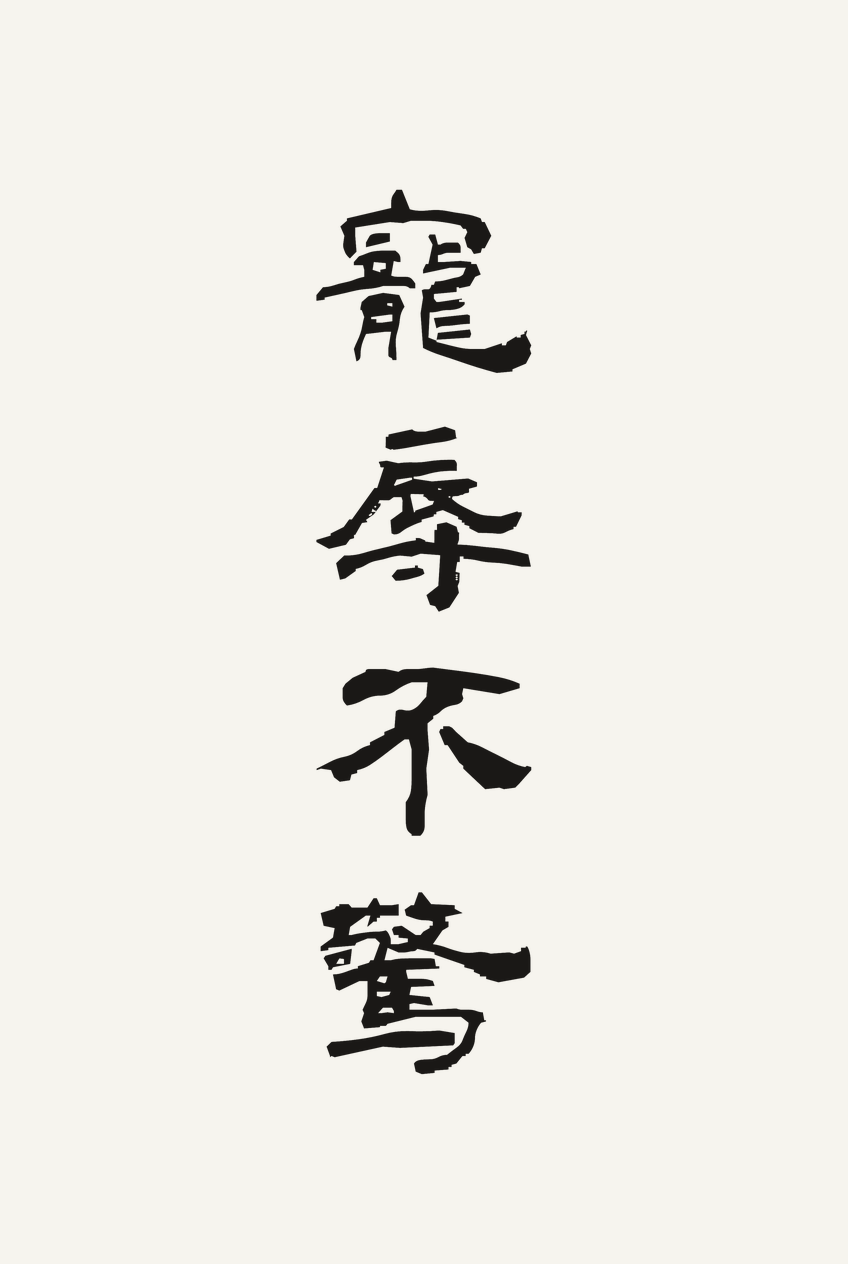
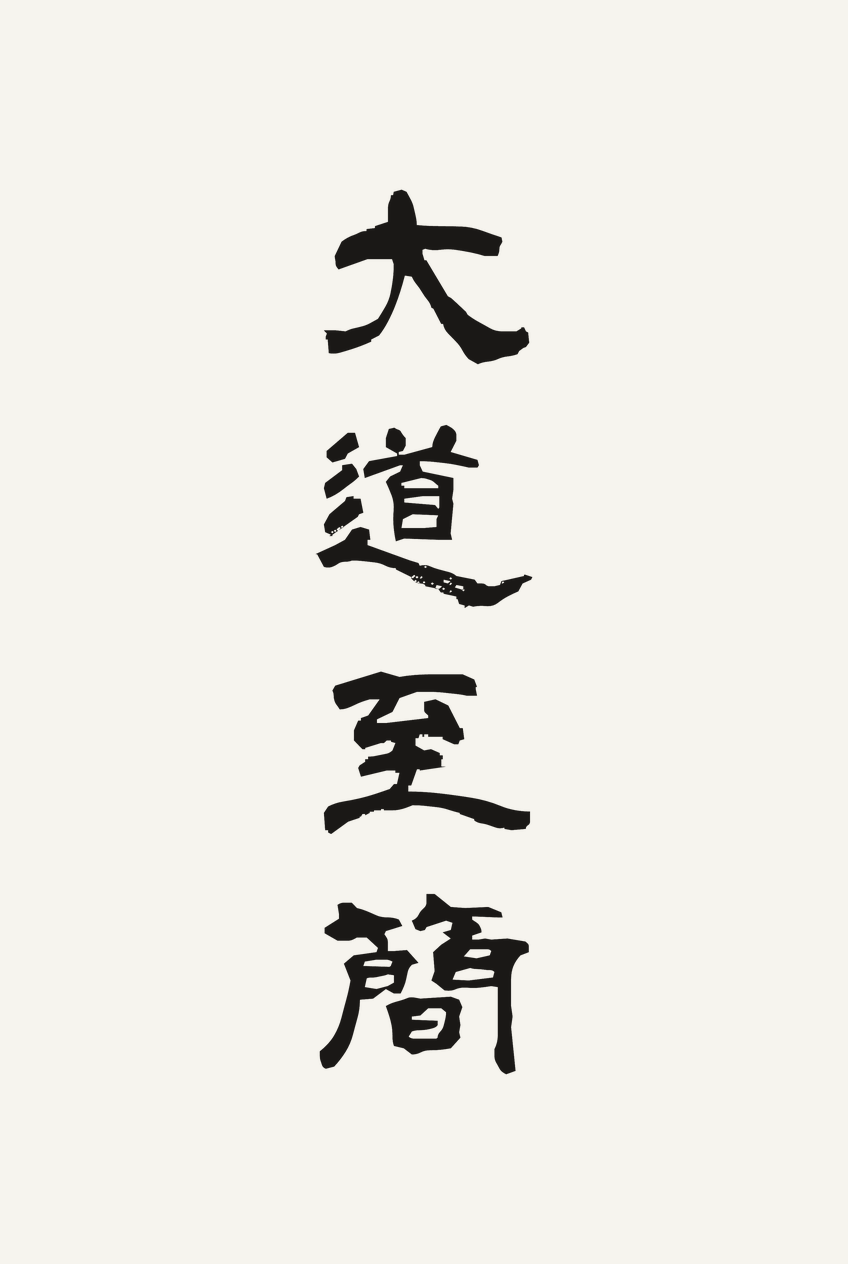
Every form decision points to a recorded source, element by element. ① Four characters, one vertical column — a causality drawn downward: the drinking above, the remembering below. ② Clerical script, traditional form 飲水思源 — 源 closes with the water-radical flowing back under the cliff: the source, drawn as a source. ③ Medium scale — 12–14 cm. ④ Black ink only — one water, one memory.
本设计的每一处形制决定都有出处可查,逐条对账。① 四字竖列——因果向下画:上面是喝,下面是记。② 隶书、繁形「飲水思源」——「源」以三点水收尾,水在崖下往回流:源头画成源头。③ 中等尺寸——12–14 厘米。④ 只用墨——一种水,一种记忆。
The Story
Yu Xin spent decades stranded in the north, serving courts he had not chosen, writing homesick fu so good that Du Fu said of him: 庾信文章老更成 — Yu Xin's writing grew greater with age, its bleakness its peaks. The man who wrote the definitive line about remembering the source was himself permanently cut off from his. The tattoo is for people who still can go back — and therefore should think to.
庾信几十年滞留北地,伺候自己没选过的朝廷,把乡愁写成了赋,写得好到杜甫给他作结:庾信文章老更成——越老越成,凄凉就是他的高峰。写下「记得源头」这条定评的人,自己恰恰永远回不去了。这个纹身是给还回得去的人的——所以更该想起来去记。
What It Means
For gratitude that has a name: the parent, the teacher, the town, the one who lent you the first chance. It is not a sentiment tattoo; it is an address tattoo.
给有名有姓的感恩:父母、老师、那座城、借给你第一个机会的那个人。这不是情绪纹身,是地址纹身。
Where It Sits
Four characters, one column: inner forearm best, spine, chest; 12–14 cm; below 9 cm the 懷-free but dense glyphs still clog.
四字竖列:小臂内侧最佳,脊柱、胸;12–14 厘米;低于 9 厘米密字会糊。
Before You Ink
Four characters are the whole design. ② Traditional form 飲水思源. ③ Minimum 9 cm. ④ Name the source while it can hear you — the tattoo is the backup plan, not the apology. ⑤ Gratitude wears badly as performance — this one reads best when only you know whom it is for.
四个字就是全部设计。 ② 繁形「飲水思源」。 ③ 9 厘米起。 ④ 趁源头还听得见,先说出名字——纹身是备份方案,不是道歉。⑤ 感恩表演起来最难看——只有你自己知道它为谁而纹时,它最好读。
Every character on this card was selected and checked stroke by stroke by a native reader of Chinese.