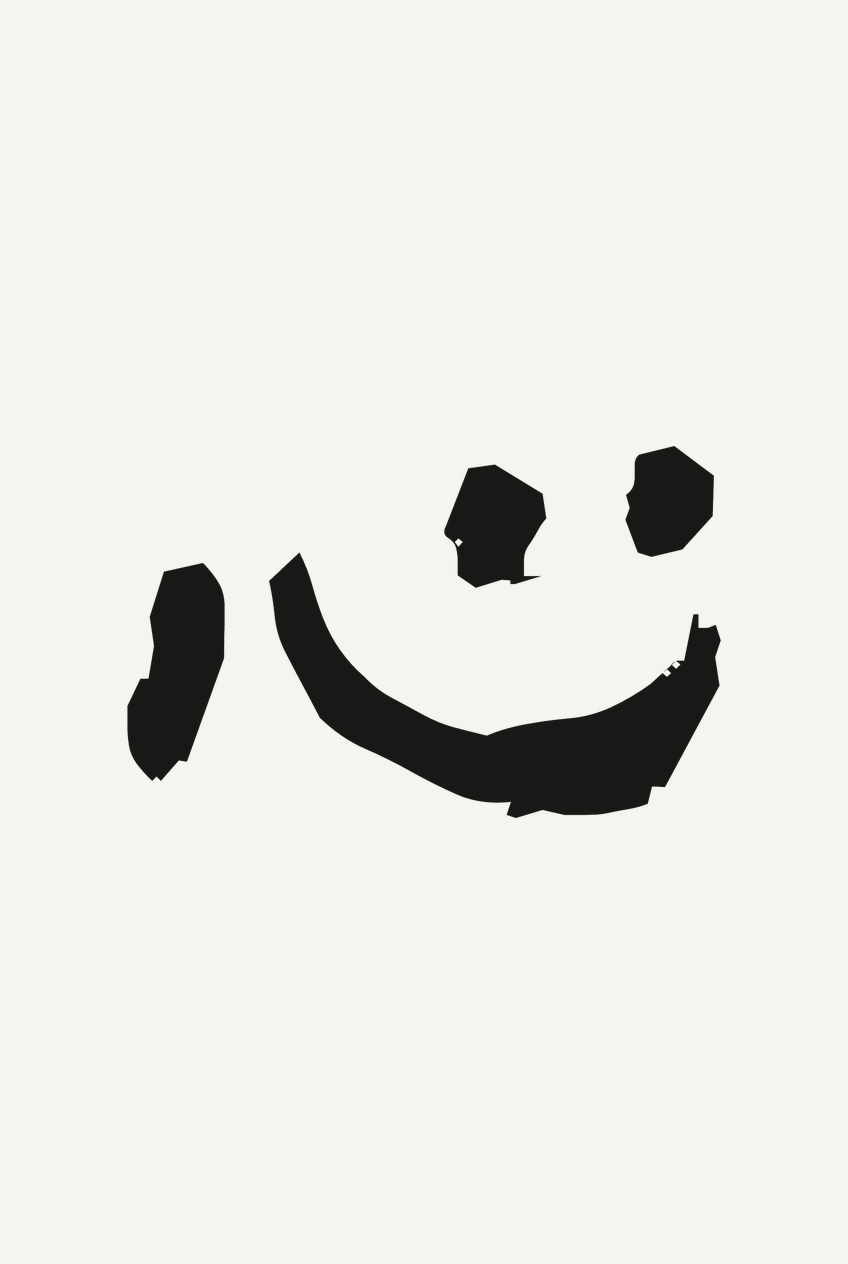
心 · Xīn
Heart / Mind
Series: Single-Character Zen · Design #23
Style: single character, large · clerical script (lishu) · same form 心 · small-to-medium
Form: 文字
The Name
*Xīn* — heart, and mind, in one character. Chinese never split them: 心 is the organ that feels, thinks, intends, and remembers — the seat the physicians drew and the philosophers argued over. One stroke short of a full person, it is the character people choose when the whole story is too long: what moves this, is me. As a tattoo, it is the most worn and most misunderstood character in the language — worn right, it says something the anatomical heart never could.
心——心,也是脑,一个字。汉语从未把它们拆开:心是那个感受、思考、意图、记忆的器官——医者画它,哲人争它。它比一个完整的「人」字少一笔,是人们在「整个故事太长」时选的字:让这个东西动起来的,是我。作为纹身,它是这门语言里被纹得最多、也最常被理解错的一个字——纹对了,它说出解剖学的心脏永远说不出的话。
Source & Provenance
《说文》: 心,人心 — "xin: the human heart, the organ of earth within the five viscera, crown of the body." The philosophers crowned it higher: Mencius names it the office of thought (心之官則思), and the Canon of Ministerial Teaching hands down the sixteen-character transmission: 人心惟危,道心惟微,惟精惟一,允執厥中 — the human heart is precarious, the Dao-heart subtle; be exact, be one, hold the center. Inking note: this design adapts the classic line construction of the traditional motif and re-inks it as tattoo linework.
《说文》:心,人心——土藏也,在身之中。哲人们把它加冕得更高:孟子立它为「思之官」(心之官則思),《尚书·大禹谟》传下十六字心传:人心惟危,道心惟微,惟精惟一,允執厥中。墨线转写:本设计以传统母题的经典线条造型为底,转写为纹身墨线。
Design Inspiration
Every form decision points to a recorded source, element by element. ① One character, alone, large — the organ that is a seat wants to sit alone; the hanging single glyph is its native format. ② Clerical script, same form 心 — the three dots and the hook: pulse rendered as calligraphy; the final down-hook is the heartbeat. ③ Small-to-medium scale — 6–8 cm wrist; 10 cm sternum, where it actually beats. ④ Black ink only — the ink version refuses the anatomical red: this is the classical heart, not the greeting-card one.
本设计的每一处形制决定都有出处可查,逐条对账。① 一字、独处、够大——作为「官能之座」的字想独自坐着;单字悬挂是它的原生格式。② 隶书、同形「心」——三点与卧钩:脉搏被写成了书法;最后那记下钩就是心跳。③ 小到中尺寸——腕上 6–8 厘米;胸骨 10 厘米——它真正跳动的地方。④ 只用墨——墨色版本拒绝解剖学的红:这是古典的心,不是贺卡的心。
The Story
The character's genius is what it refuses to do: split. Where Western thought spent centuries arguing whether the heart feels and the brain thinks, Chinese gave both jobs to one tenant. 心 is where you feel a grief (心酸), make a decision (心得), remember a kindness (心领), and lose your composure (心乱) — the whole interior economy in four strokes. The physicians located it mid-chest and called it the monarch's office; the philosophers made it the throne above the senses. Either way, the deal was the same: whatever else a person is, this is the room where the lights are controlled.
That is why the single character — so common it is nearly invisible — rewards being looked at again. The tattoo tradition loves it precisely for the ambiguity Western wearers miss: 心 does not say "love," the way the Valentine heart does. It says: the seat of everything — feeling and judgment both, the place where wanting happens and where deciding happens, in one room with one chair. Worn over the sternum it is almost literal; worn on the wrist it is a directive: keep this office staffed. Four strokes, one monarch, no vacancy.
这个字的天才在于它拒绝做的事:拆分。当西方思想花几个世纪争论「心负责感受、脑负责思考」,汉语把两份工作给了一个租客。心是你感到辛酸(心酸)的地方、下决断(心得)的地方、领受好意(心领)的地方、乱掉方寸(心乱)的地方——四笔写完整个内在经济。医者把它定位在胸中,称它为「君主之官」;哲人立它为感官之上的王座。无论哪种说法,交易条款一致:一个人无论还是什么,这里就是控制灯光的房间。
所以这个字——常见到几乎隐形——值得被再看一次。纹身传统偏爱它,恰恰因为西方佩戴者会错过的那层暧昧:心说的不是情人节心脏的那个「爱」。它说的是:一切的座席——感受与判断都在这里,渴望发生在这里,决定也发生在这里,一个房间,一把椅子。戴在胸骨上方近乎字面;戴在腕上是一句指令:这间官署不可空置。四笔,一位君主,没有空缺。
What It Means
For the ones with something to guard — the feeling and thinking tenant who will not choose between them. It is not a love token by default; it is the interior's nameplate, and it means: this office is occupied.
给有东西要守的人——那个感受与思考并租、拒绝二选一的租客。它默认不是爱情信物;它是内在的门牌,意思是:此署有人。
Where It Sits
One character, one plane: sternum (the literal site), inner wrist, nape. 6–8 cm reads as a private seal; 10 cm over the sternum, almost literal. Centered placement suits the character's symmetry of dots.
一个字,一个平面:胸骨(字面的位置)、腕内侧、后颈。6–8 厘米读作一枚私印;胸骨上方 10 厘米近乎字面。居中放置最合字中三点的对称。
Before You Ink
One character is the whole design. ② Same form 心. ③ Clerical script keeps the hook alive. The final down-stroke is the pulse — it must not go rigid. ④ Minimum 4 cm. ⑤ It is a seat, not a sentiment. 心 is the room where feeling and judgment share a desk. If you mean only "love," say it with something else — this character outranks that valentine by twenty-five centuries of jurisprudence.
一个字就是全部设计。 ② 同形「心」。 ③ 隶书让那记卧钩活着。 最后一笔下钩就是脉搏——不能写僵。④ 4 厘米起。 ⑤ 它是官署,不是煽情。 心是感受与判断同桌办公的房间。如果你只想说「爱」,换别的字——这个字比那张情人节卡片多出两千五百年的判例。
Every character on this card was selected and checked stroke by stroke by a native reader of Chinese.



